.png)
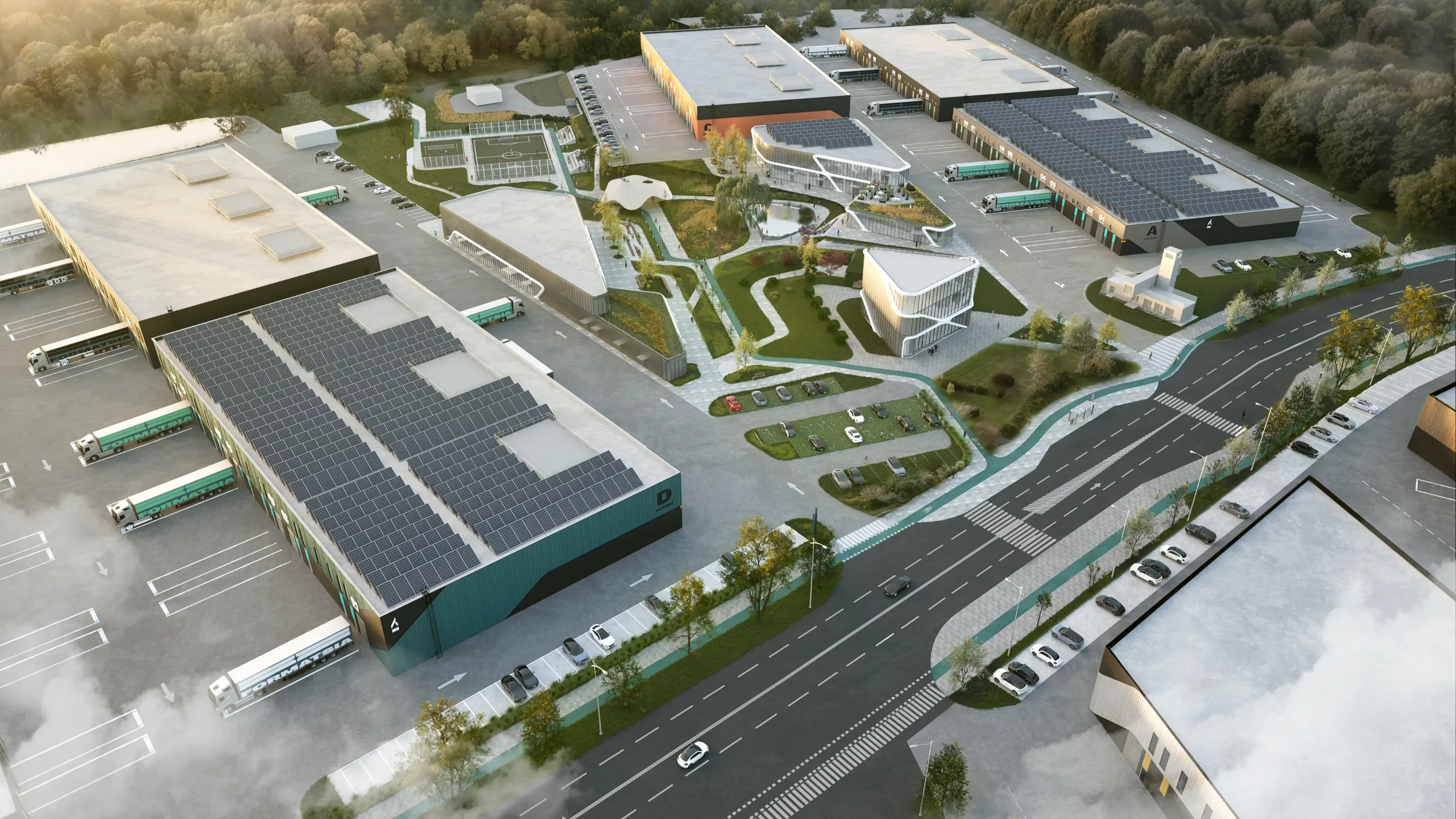
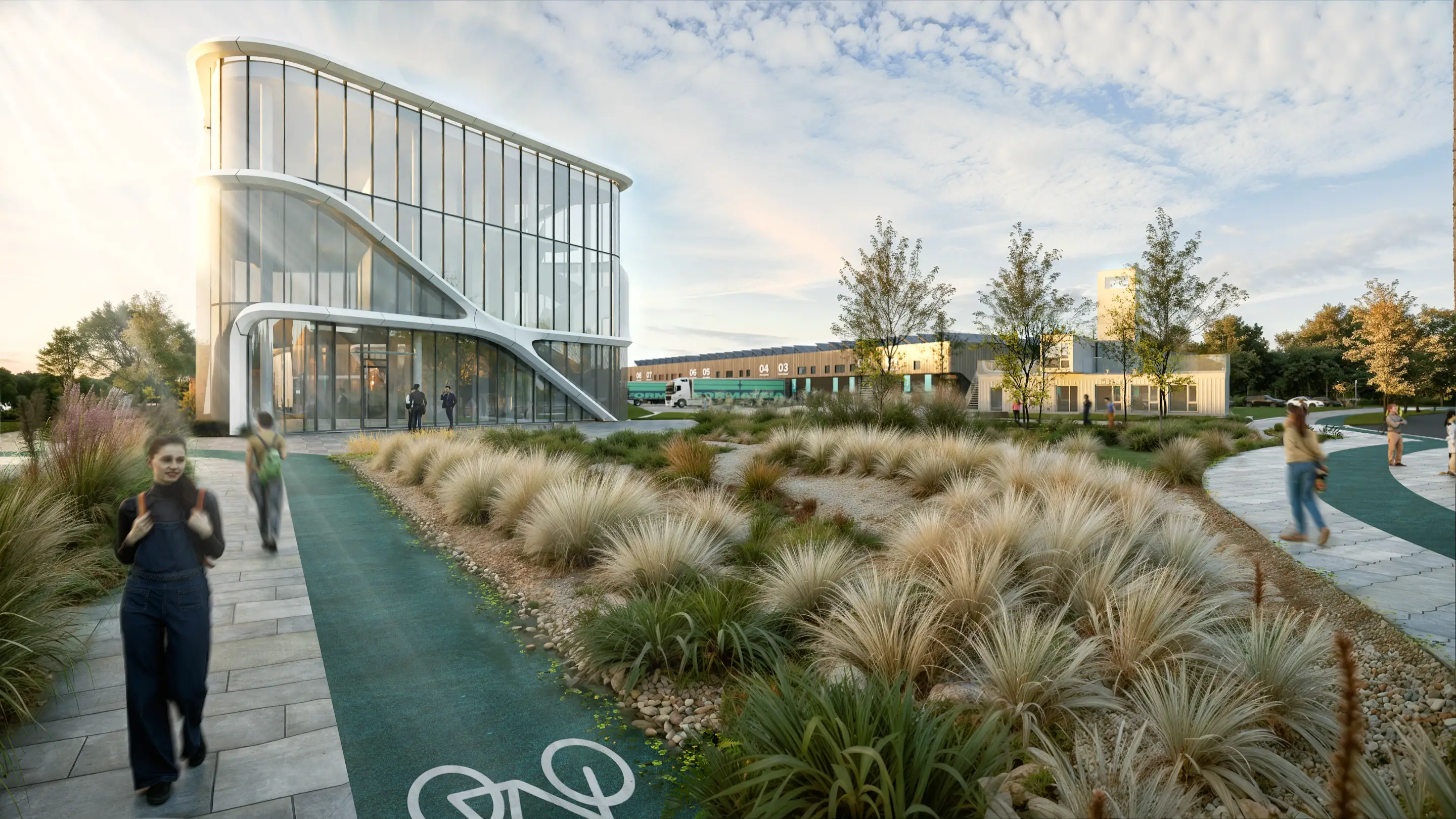
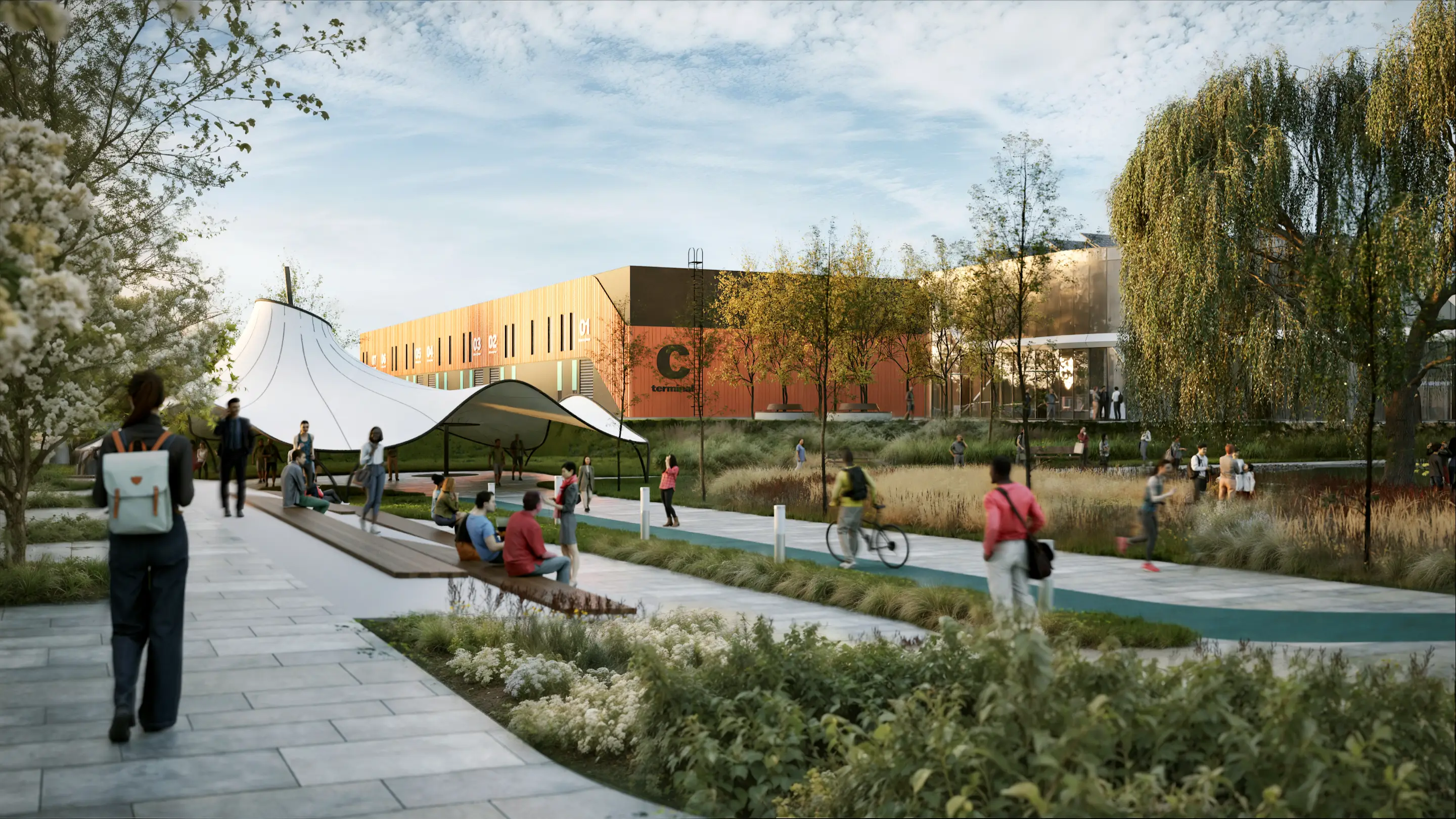
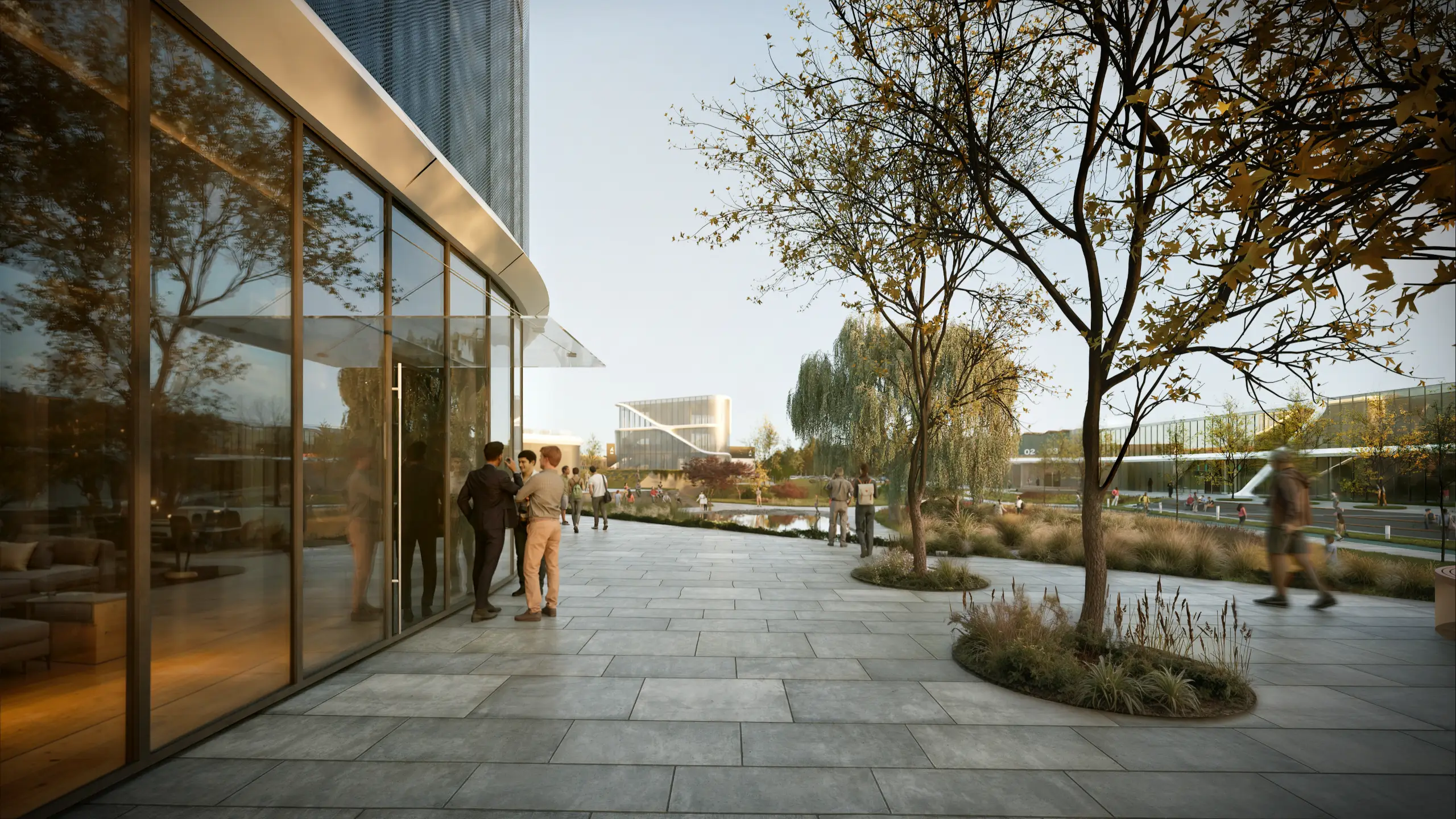
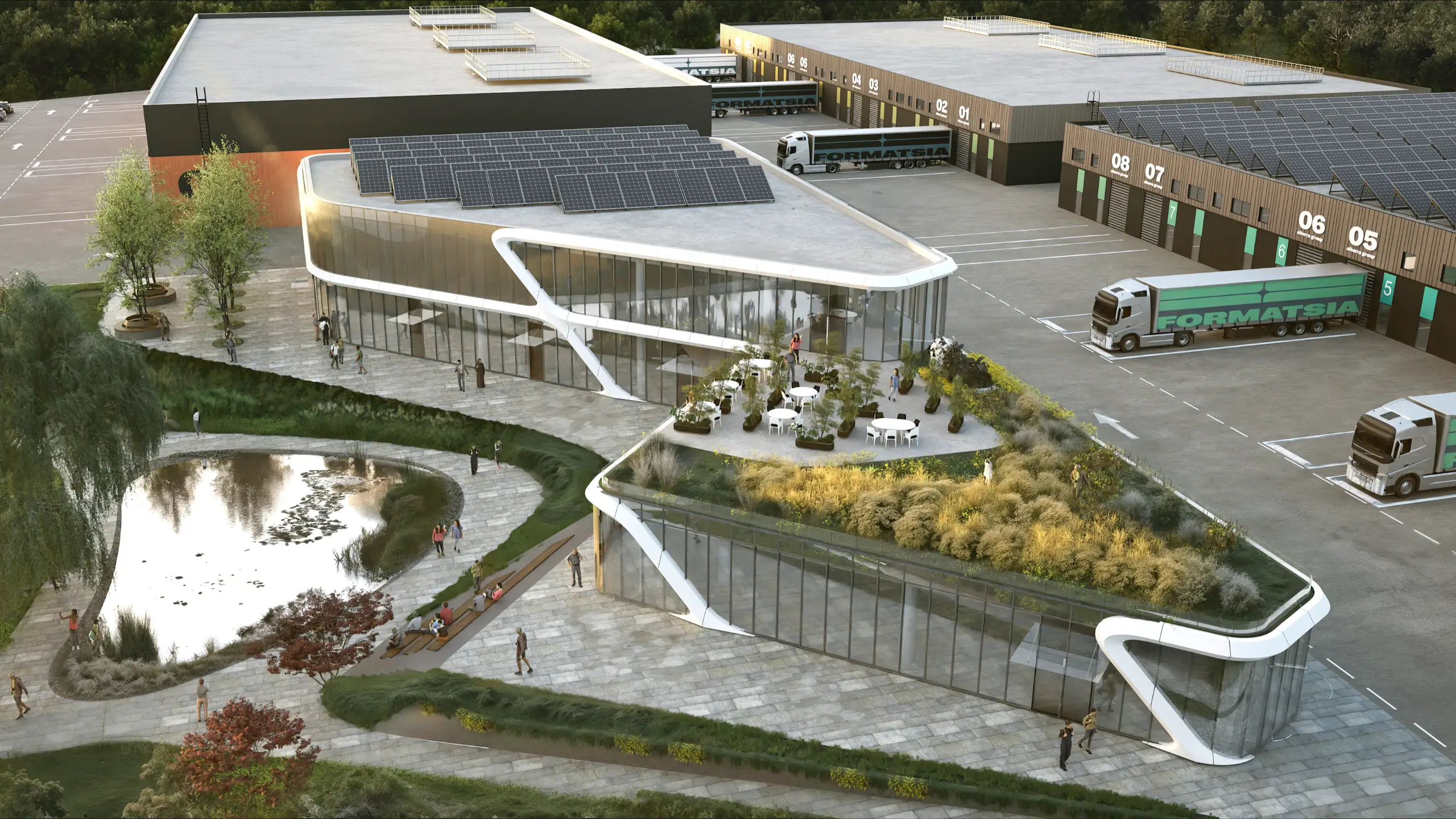
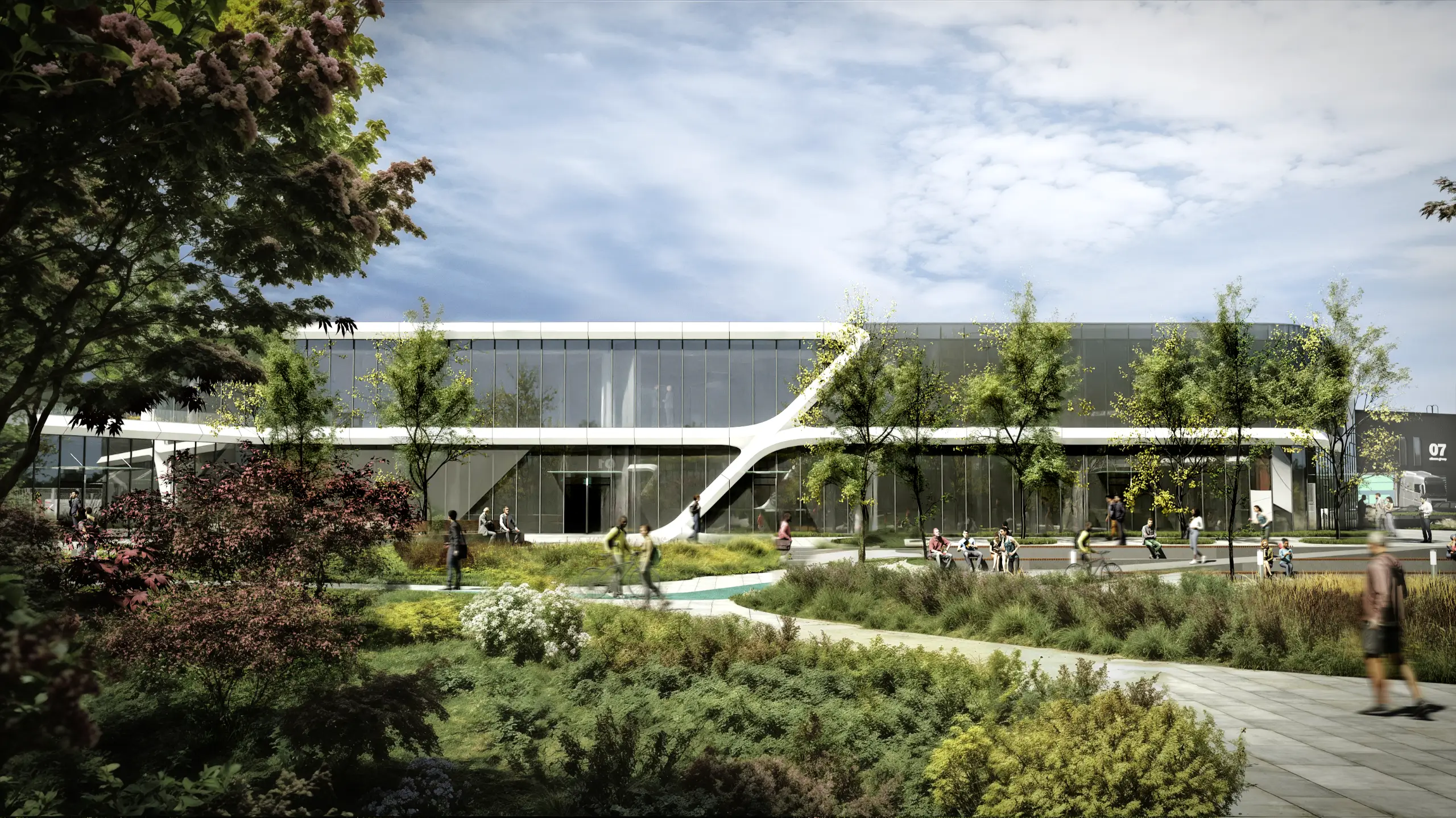
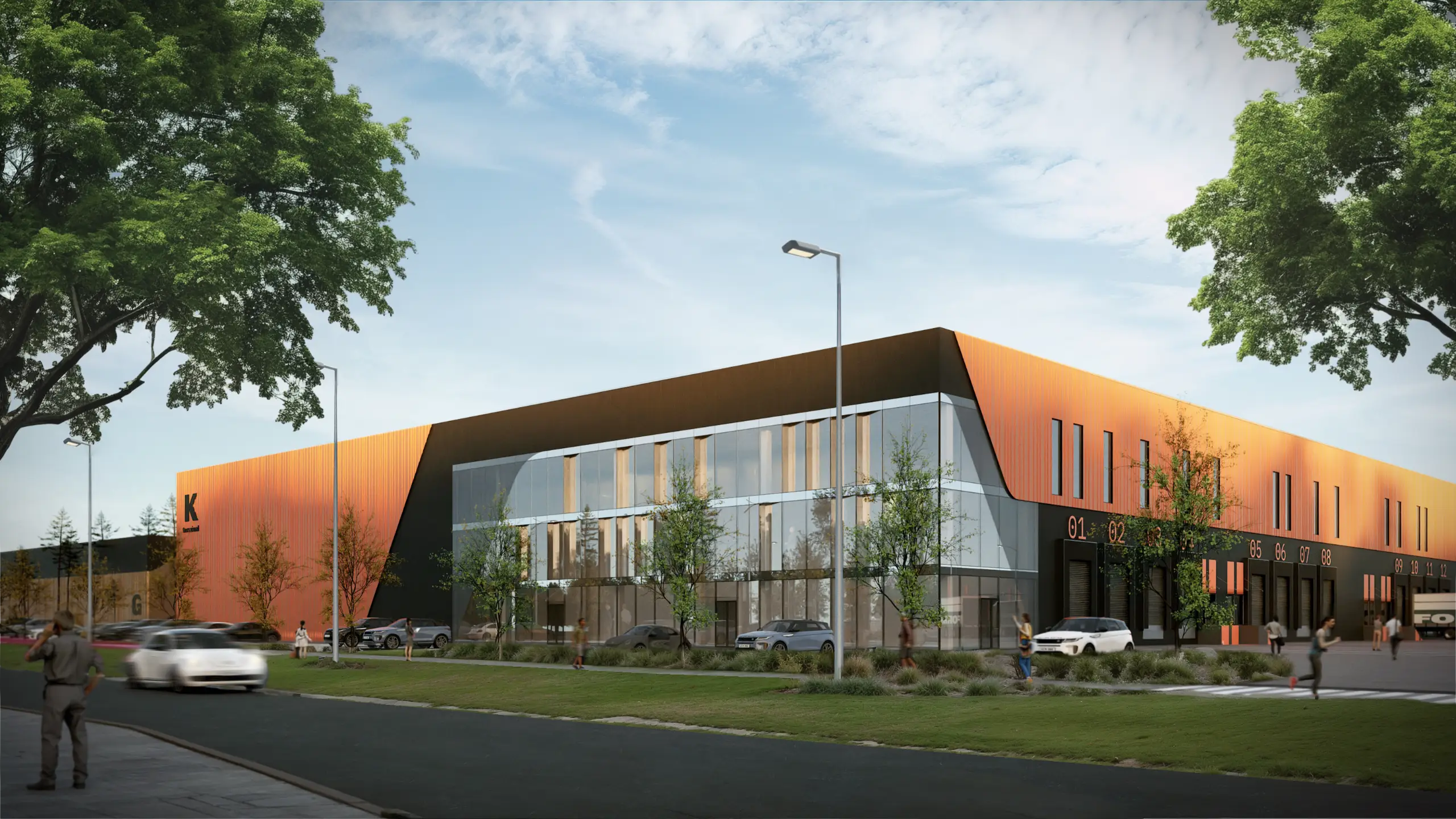
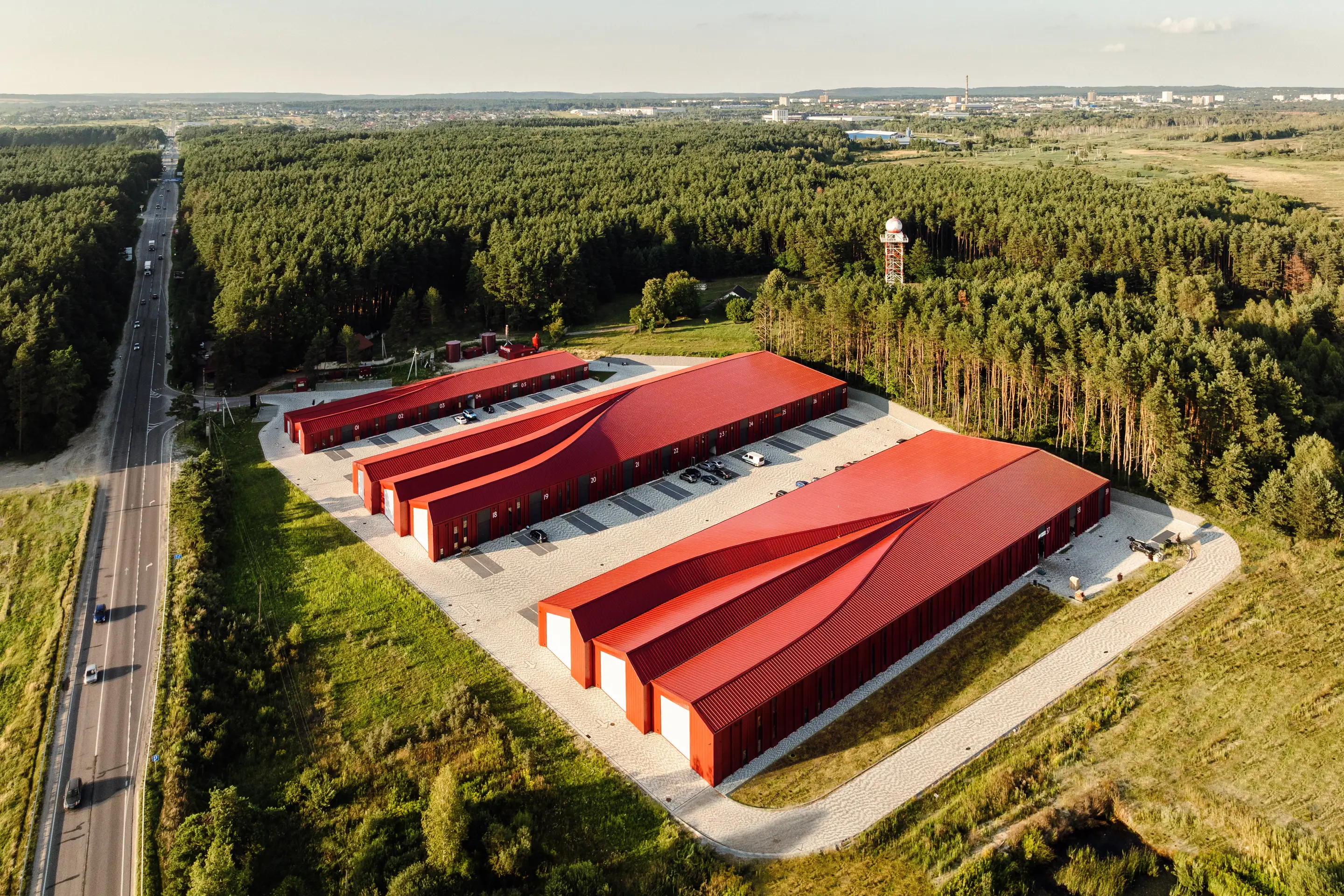
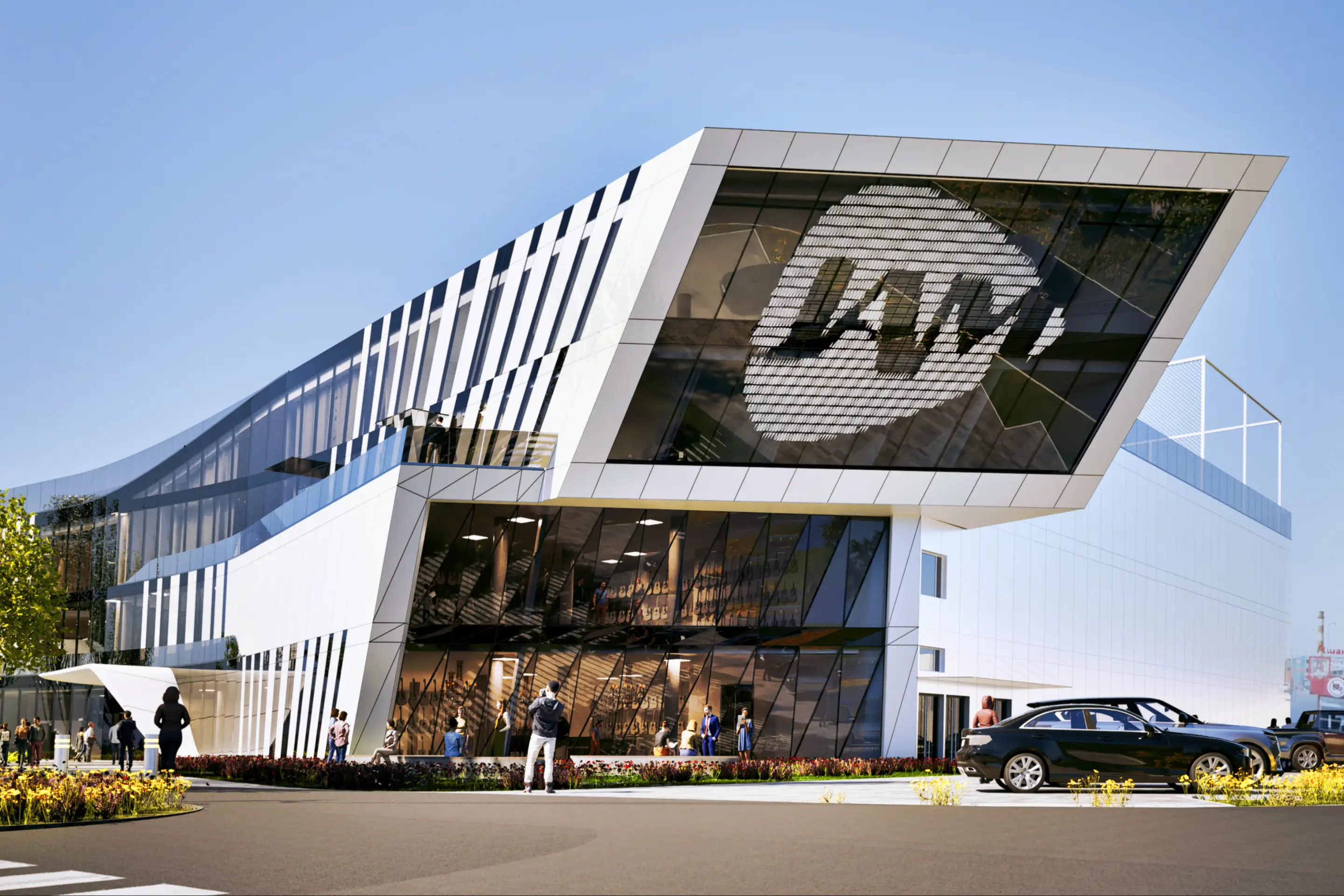
Formatsiia aims to transform a former industrial territory into a multi-functional urban district, where manufacturing is once again seen as a vital civic function. The core intention is to develop a prototype of a “productive neighbourhood” — one that seamlessly integrates small-scale production facilities, educational hubs, public institutions, and communal spaces. The project challenges the conventional zoning principles by blending uses and encouraging collaboration between different stakeholders, including entrepreneurs, local residents, students, and public authorities.
The name “Formatsiia” (meaning “formation”) reflects both the industrial past of the site and the formative potential of the project — as a catalyst for urban regeneration and socio-economic transformation. The ambition is to create a place where people not only work, but also learn, gather, rest, and create, thus redefining the relationship between industrial production and everyday life.
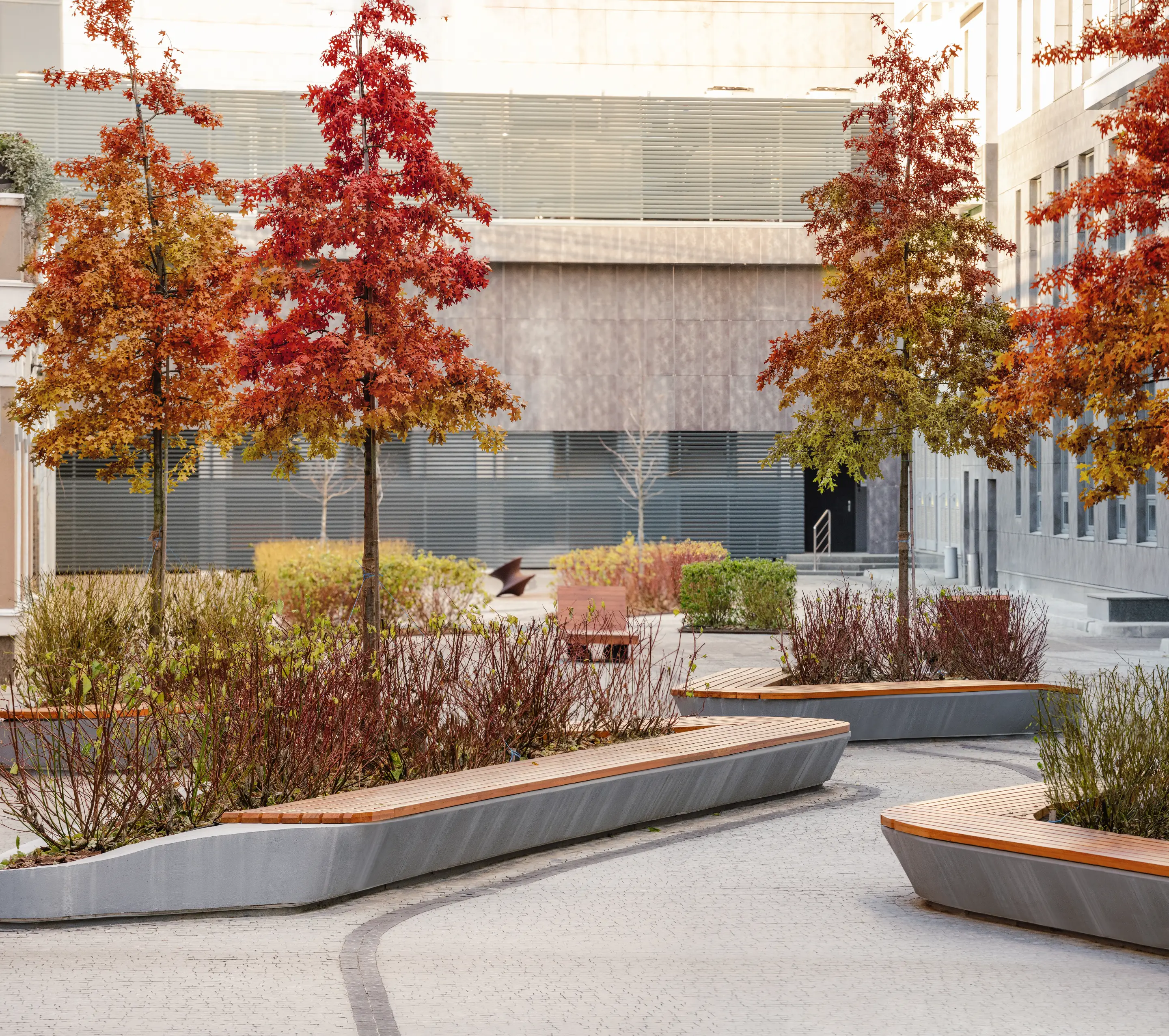
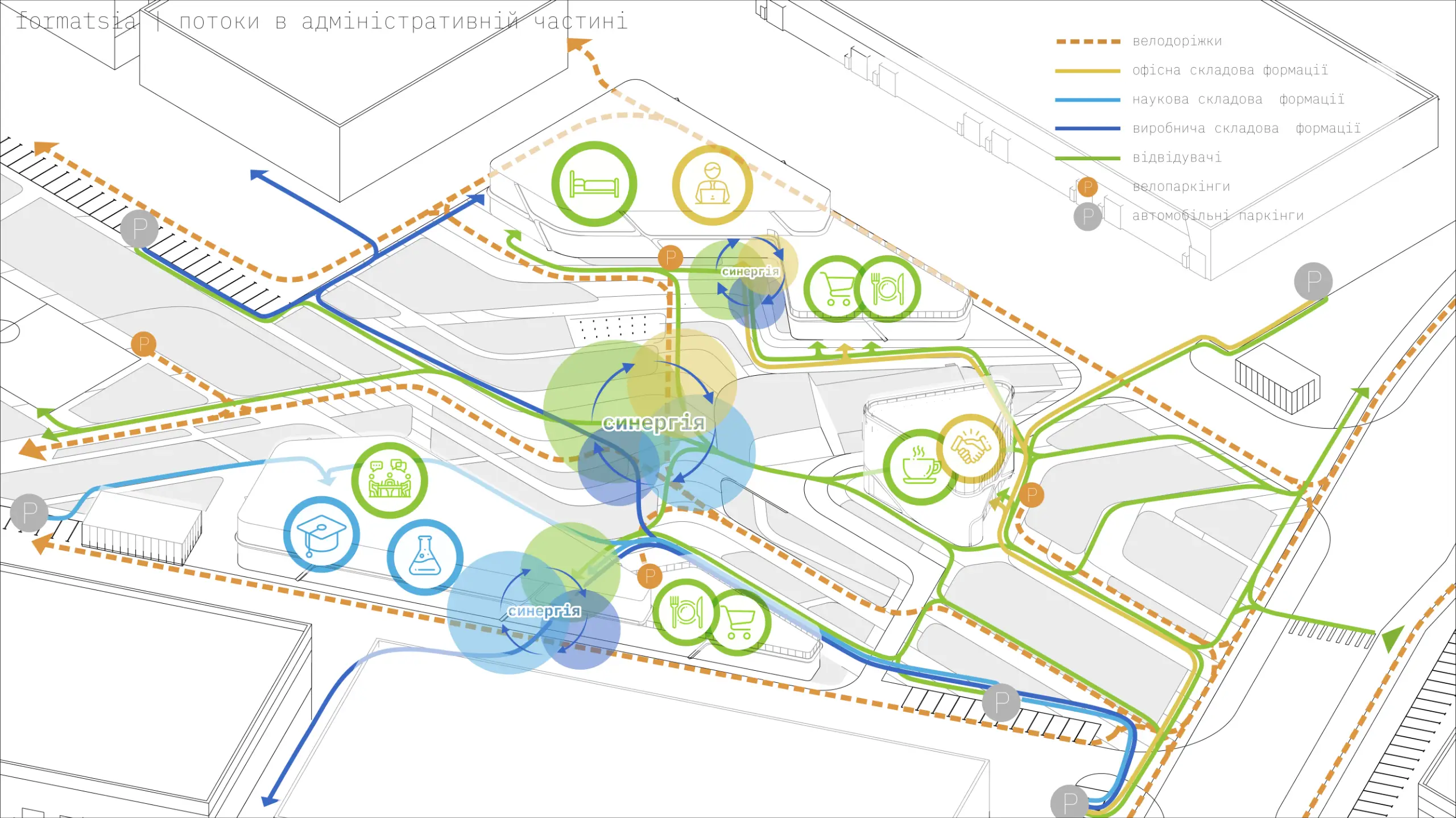
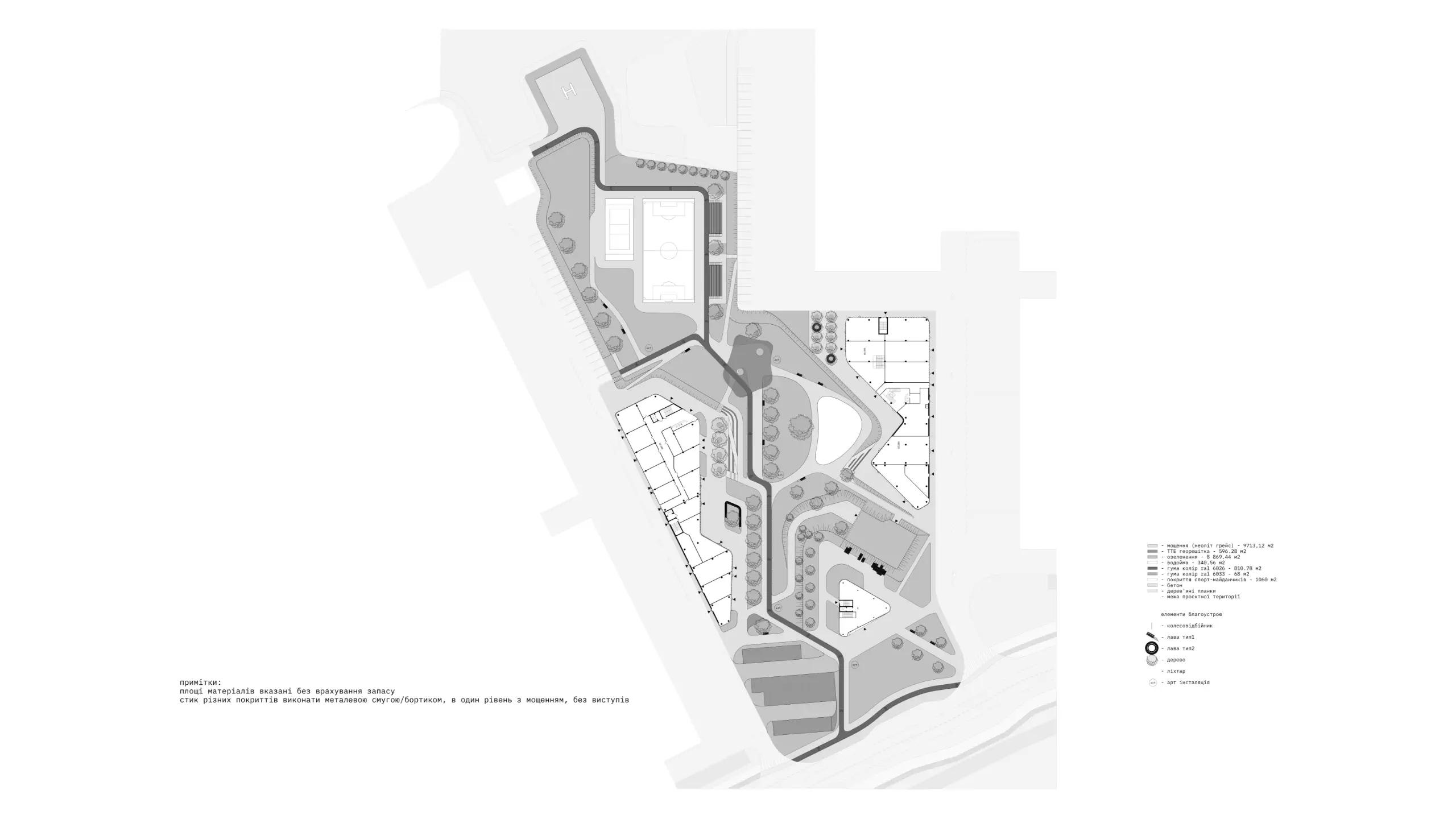
The spatial strategy is based on a combination of parametric design and urban analysis. The layout adapts to existing site constraints while introducing a modular planning system that supports flexibility of use and future growth. Building volumes are articulated through a dynamic system of courtyards, shared streets, and green corridors that connect various programmes — from manufacturing and logistics to workshops, studios, educational facilities, and civic centres.
Geometric principles from the original factory structures are reinterpreted through digital design tools to form new building typologies that balance density with permeability. Key nodes within the masterplan include a central square, green buffer zones, and adaptive reuse of existing structures where possible. The massing and circulation are optimised for both pedestrian and logistical movement, enhancing accessibility and legibility across the site.
Formatsiia proposes a model for a resilient urban ecosystem that promotes circular economy, knowledge exchange, and human-scaled development. Sustainable strategies include water-sensitive landscape design, renewable energy integration, material reuse from the demolition of existing structures, and biodiversity corridors. Social sustainability is addressed through co-creation processes with local communities, the inclusion of educational programmes, and public cultural infrastructure.
The project serves as a prototype for how post-industrial land can be reimagined as civic infrastructure, offering an alternative to the privatised and mono-functional business parks typical of many transitional economies. By merging production with the public realm, Formatsiia seeks to establish a new paradigm of urban industrialism — one grounded in collaboration, care, and the future-making potential of the city.
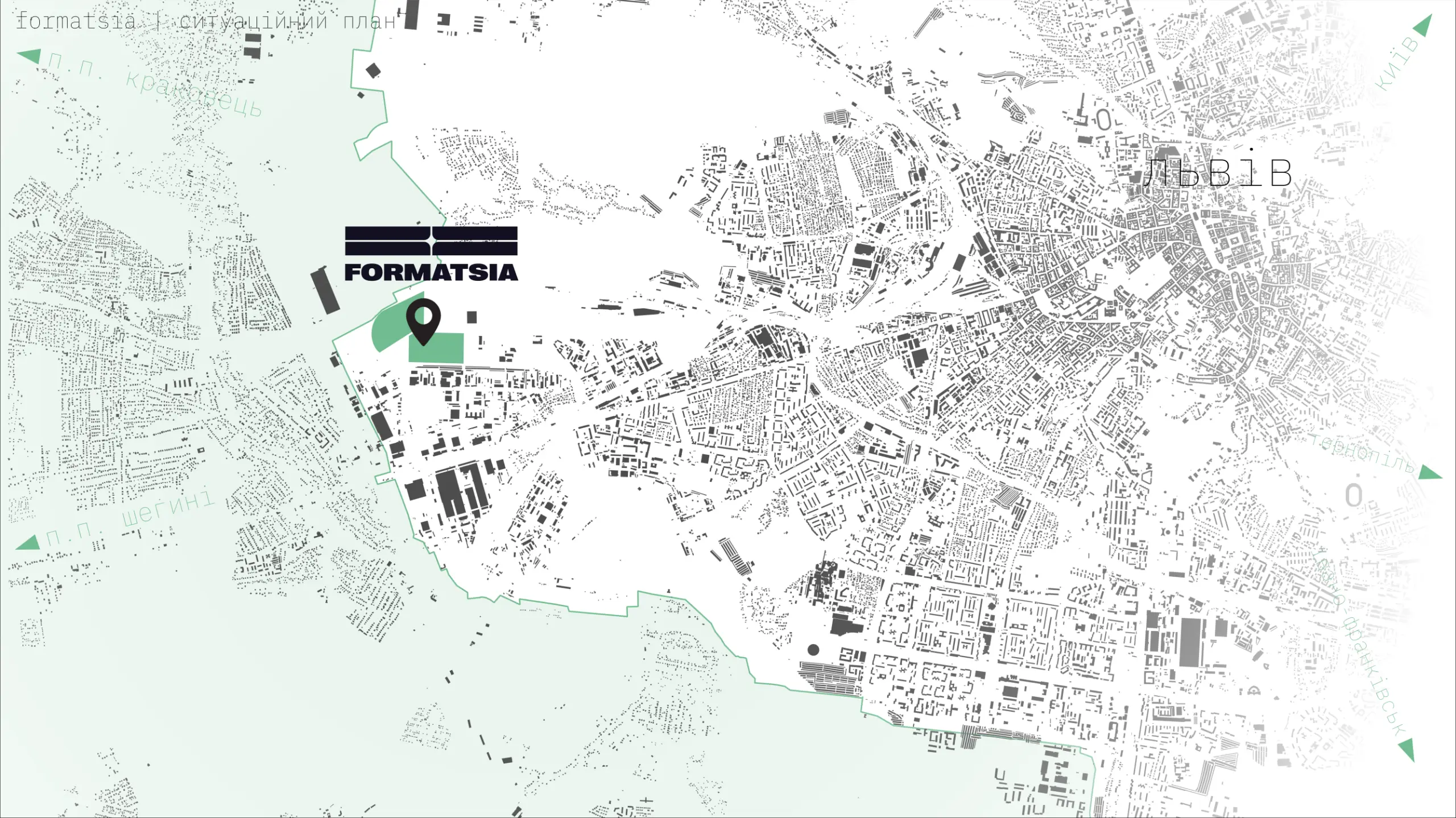
LOCATION: Pivnichna St, Lviv, Ukraine
AREA: ~150k m2
DATE: 2023
PROGRAMME: industrial park
STATUS: under construction
CLIENT: Alterra
ARCHITECTURE: Aranchii Architects
DESIGN: Dmytro Aranchii
TEAM: Dmytro Aranchii, Mariia Drobenko, Bohdan Hadzhylov, Oleksandr Polikrovskyi, Tsykal Vladyslav
The Village Ukraine, BZH.life, LVIV.MEDIA, Tvoemisto.tv