.png)
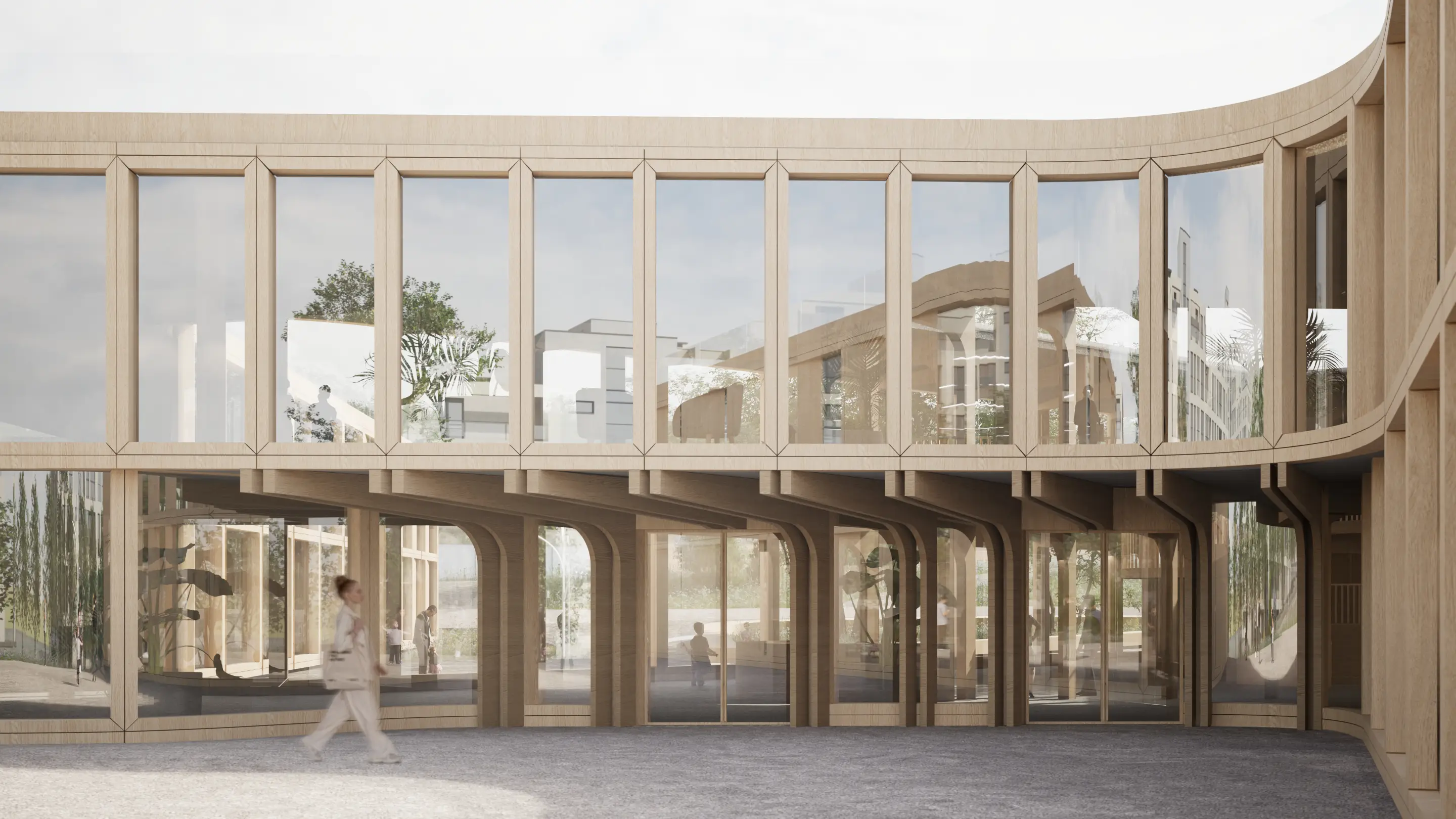

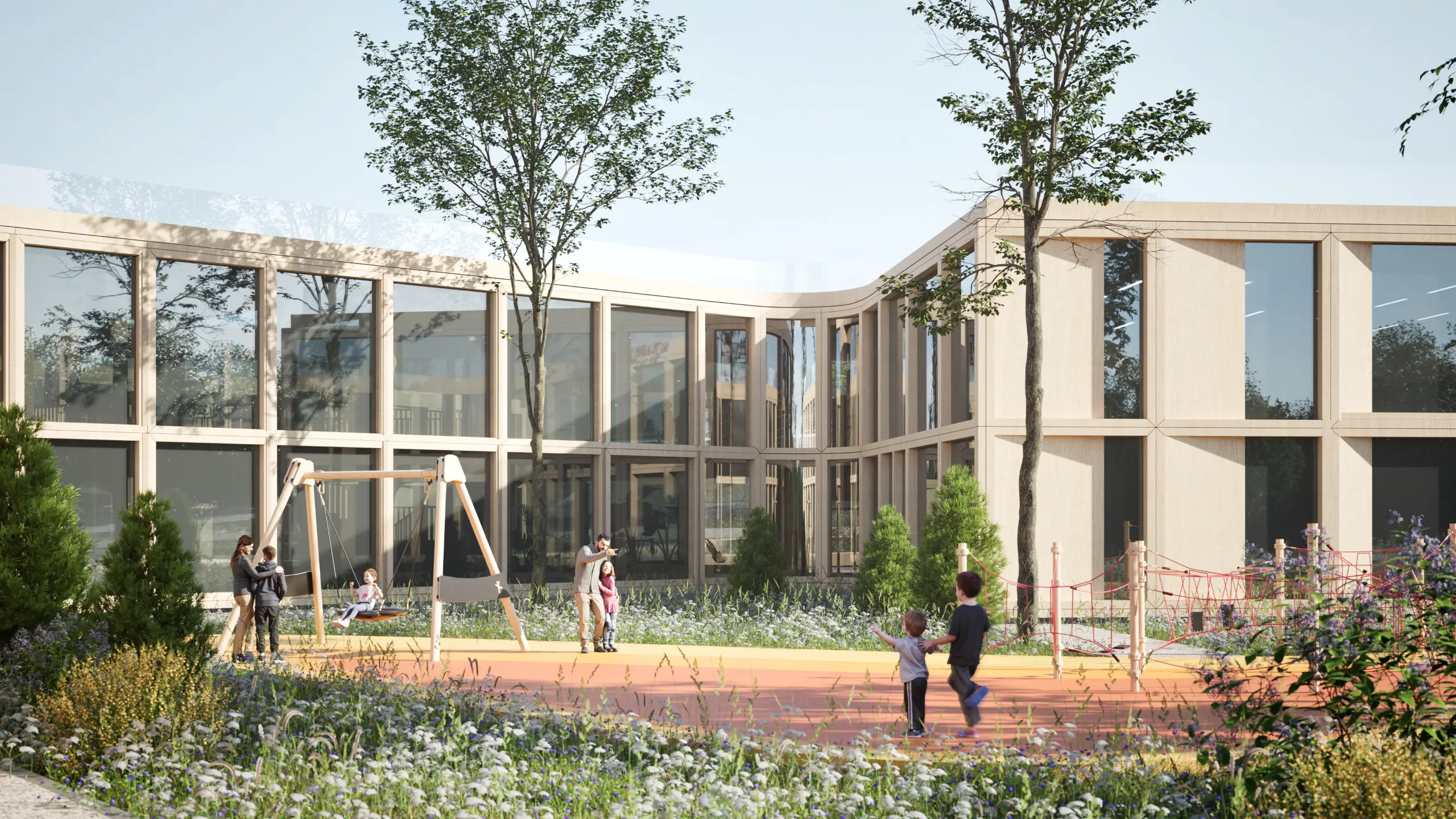
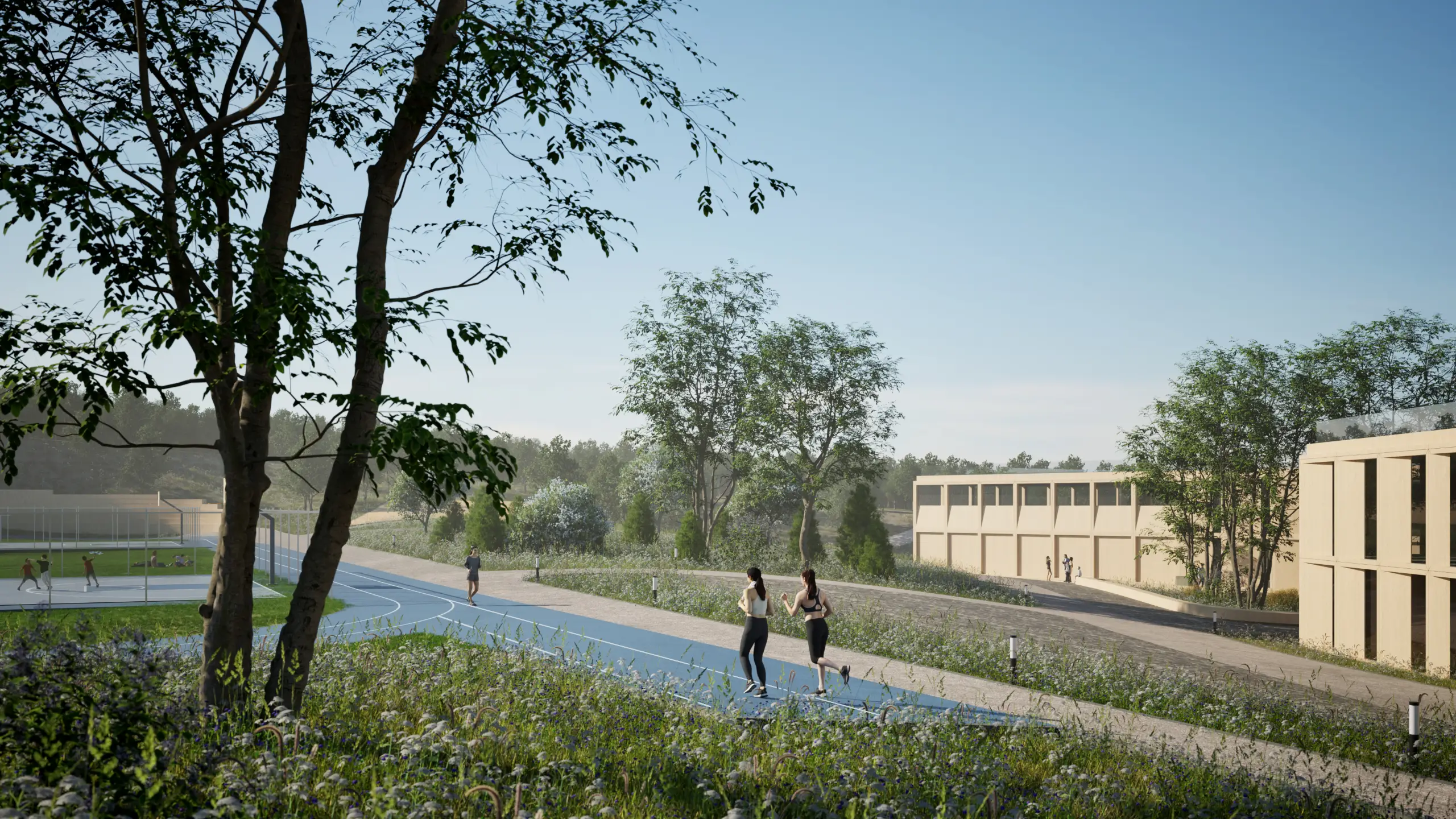
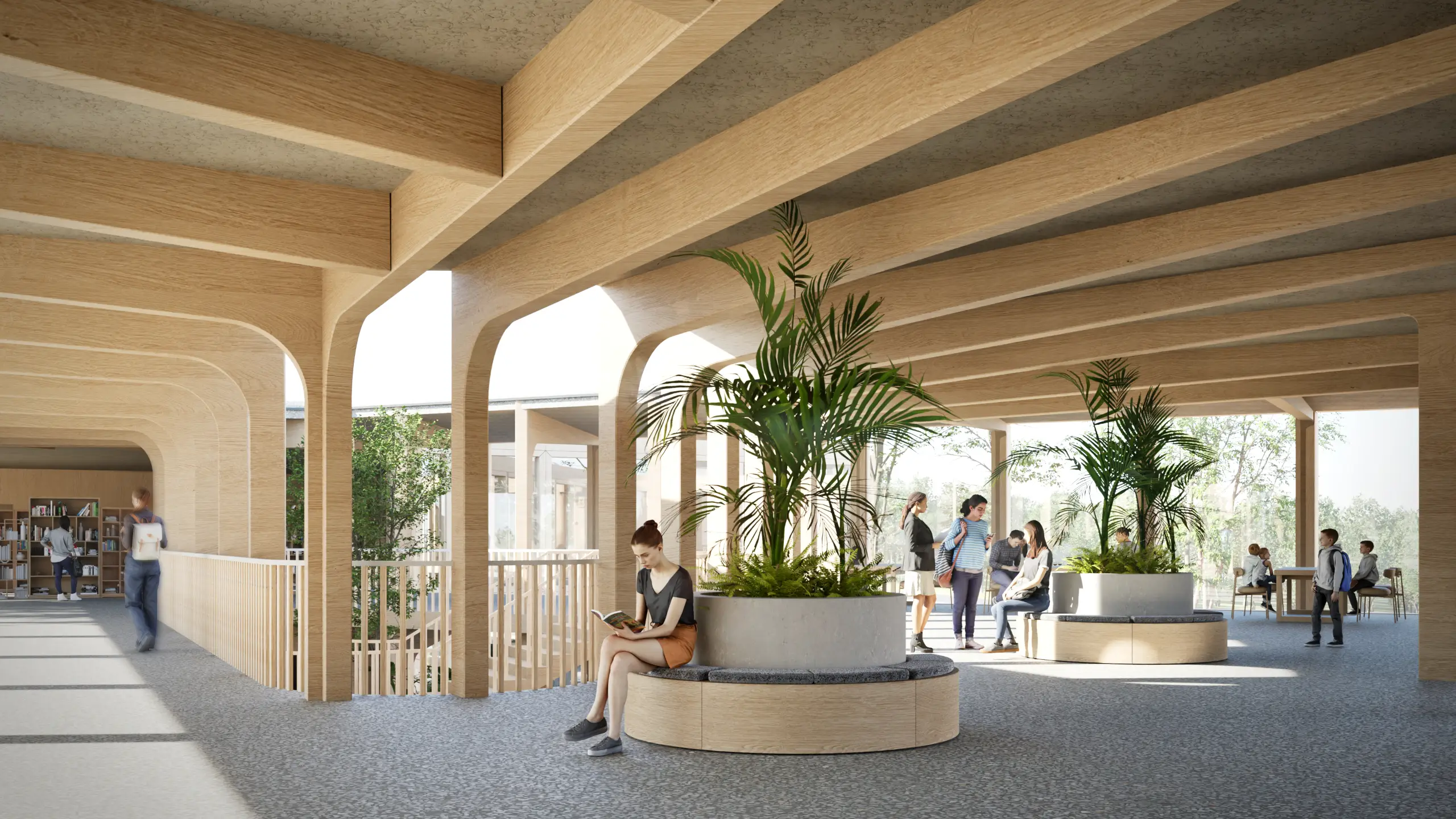
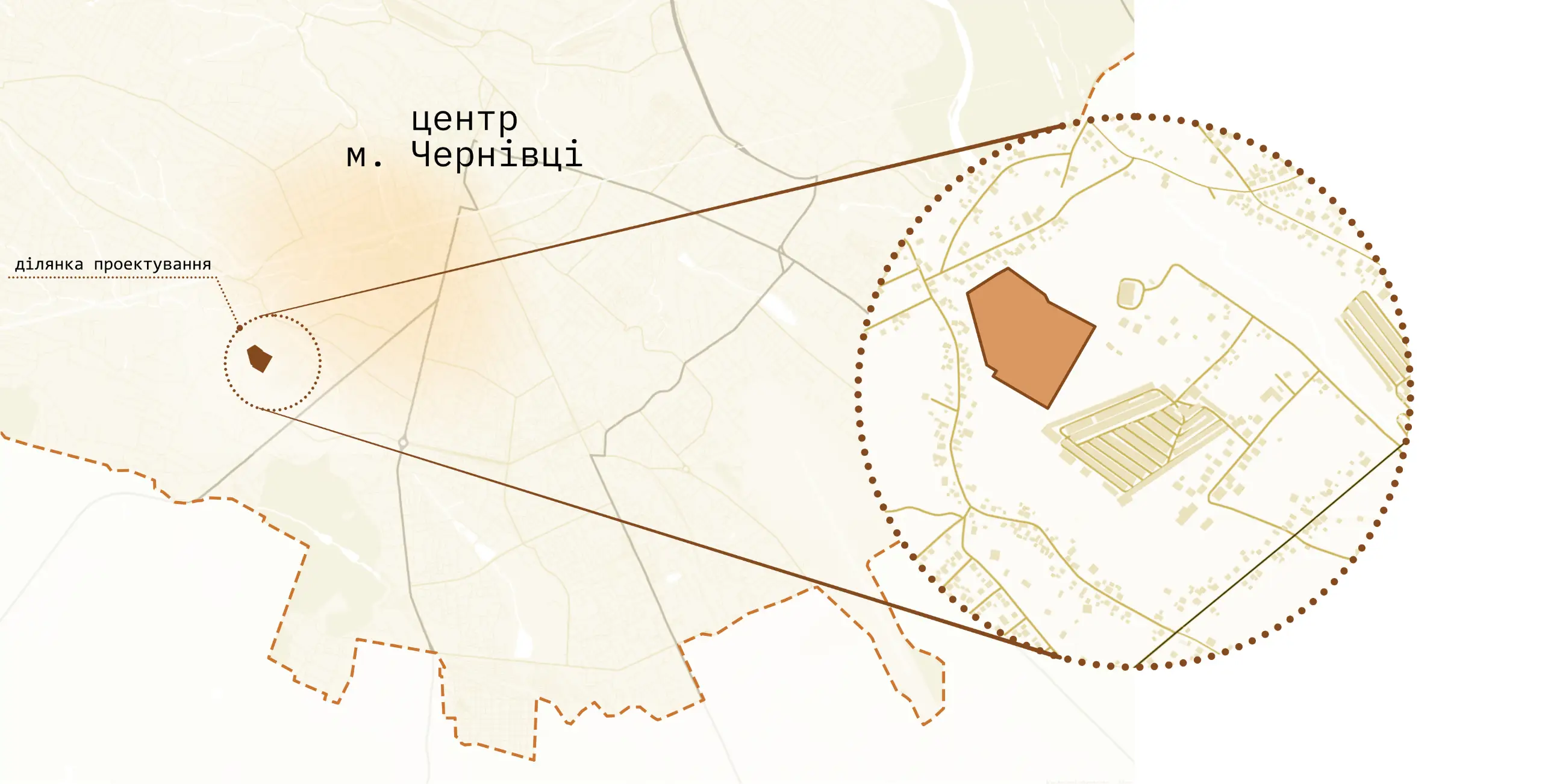
Thus, the proposed secondary school on Yevpatoriiska / Kozhelyanka streets is intended to become a high-quality example of a modern educational facility for the city, incorporating contemporary principles of sustainability, circular economy, efficient prefabricated construction, and a forward-thinking environment for learning, living and community integration. In this way, genius loci (the spirit of the place) merges with the zeitgeist (the spirit of the time).
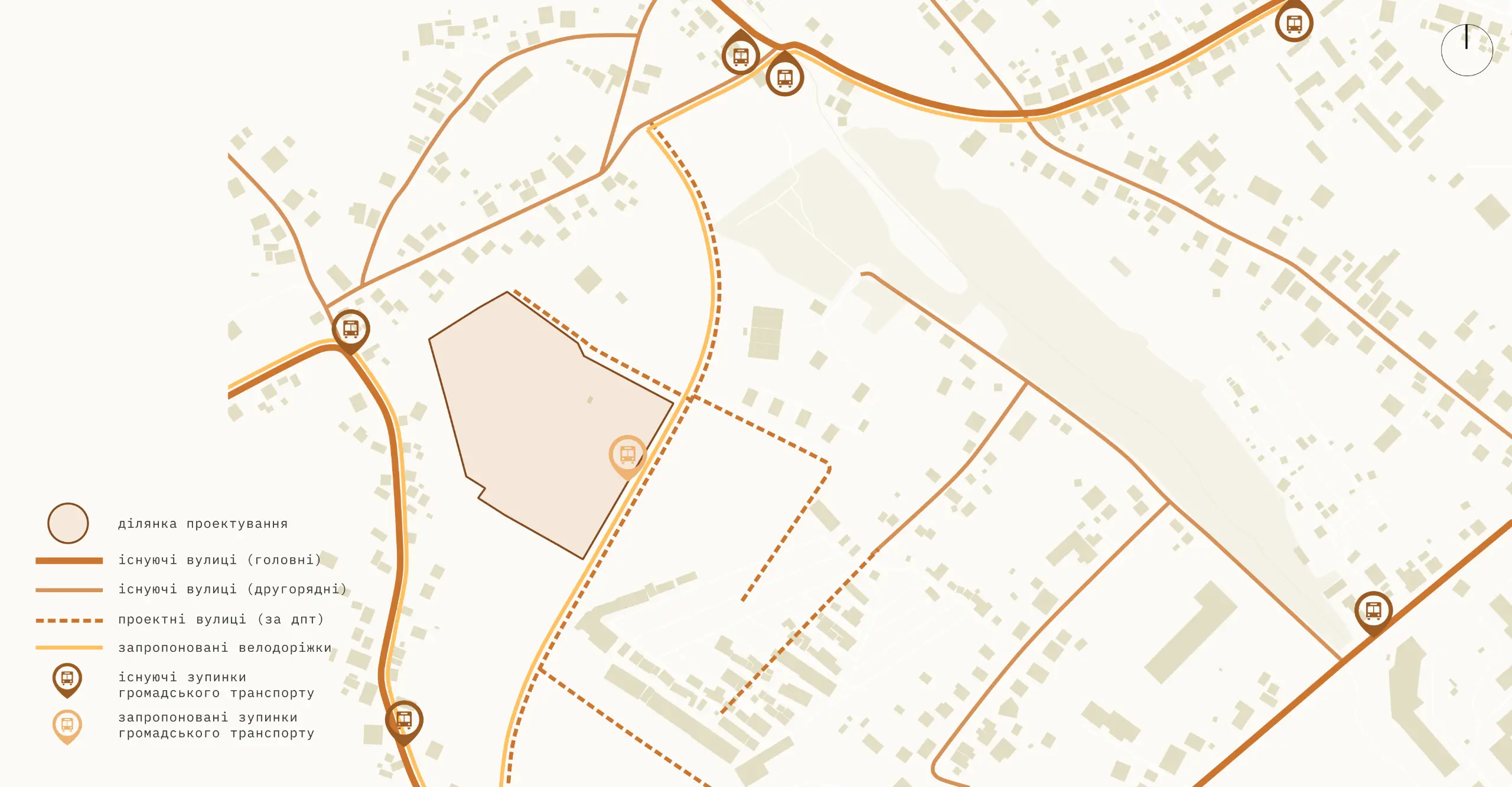
The urban concept of the future school is closely linked to the new multi-storey residential neighbourhoods planned under the Detailed Plan of the Territory and to the projected Kozhelyanka Street. The urban fabric transitions naturally from single-family houses in the west to mid-rise and high-rise buildings in the east — with the school occupying a niche of intermediate height.
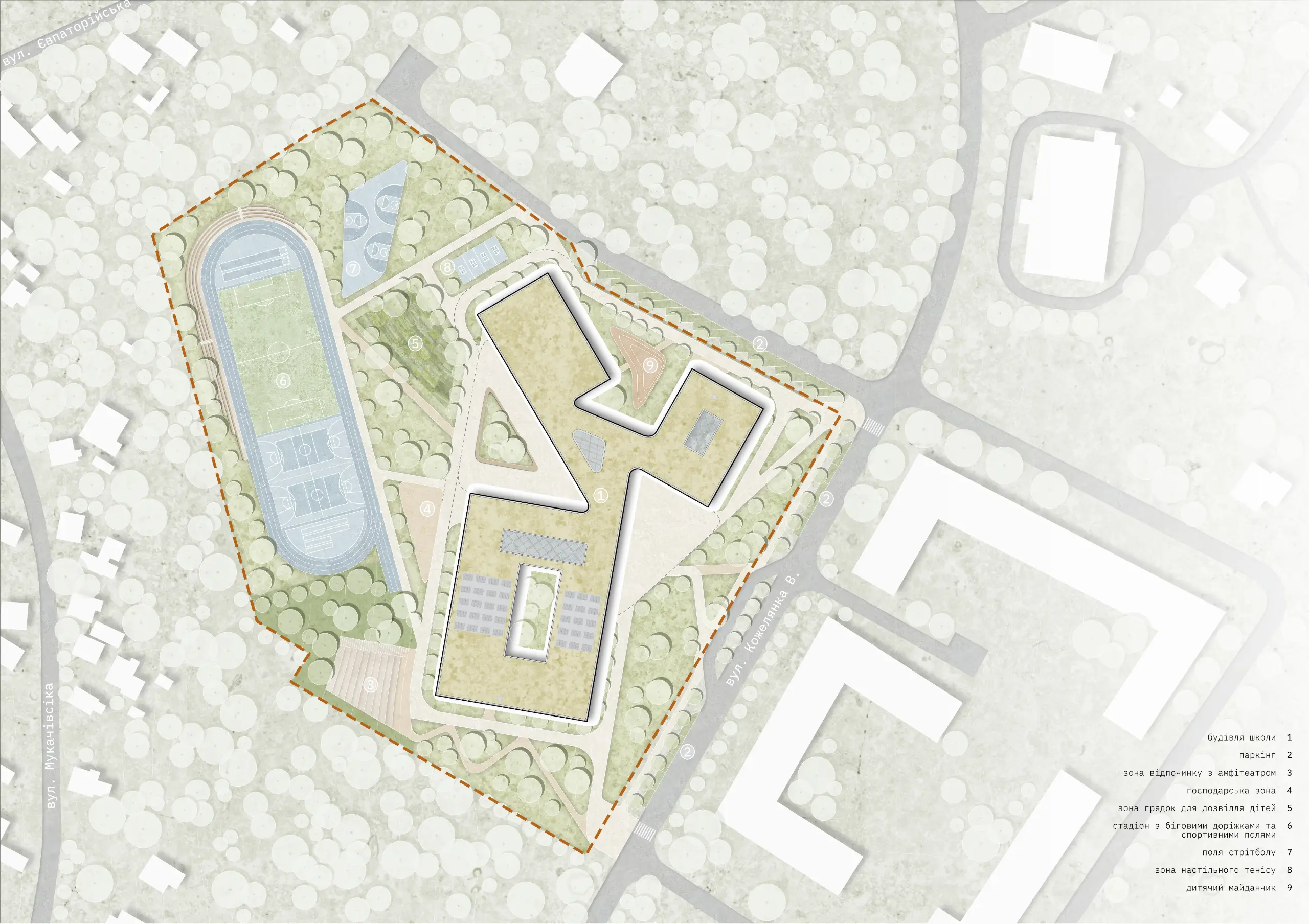
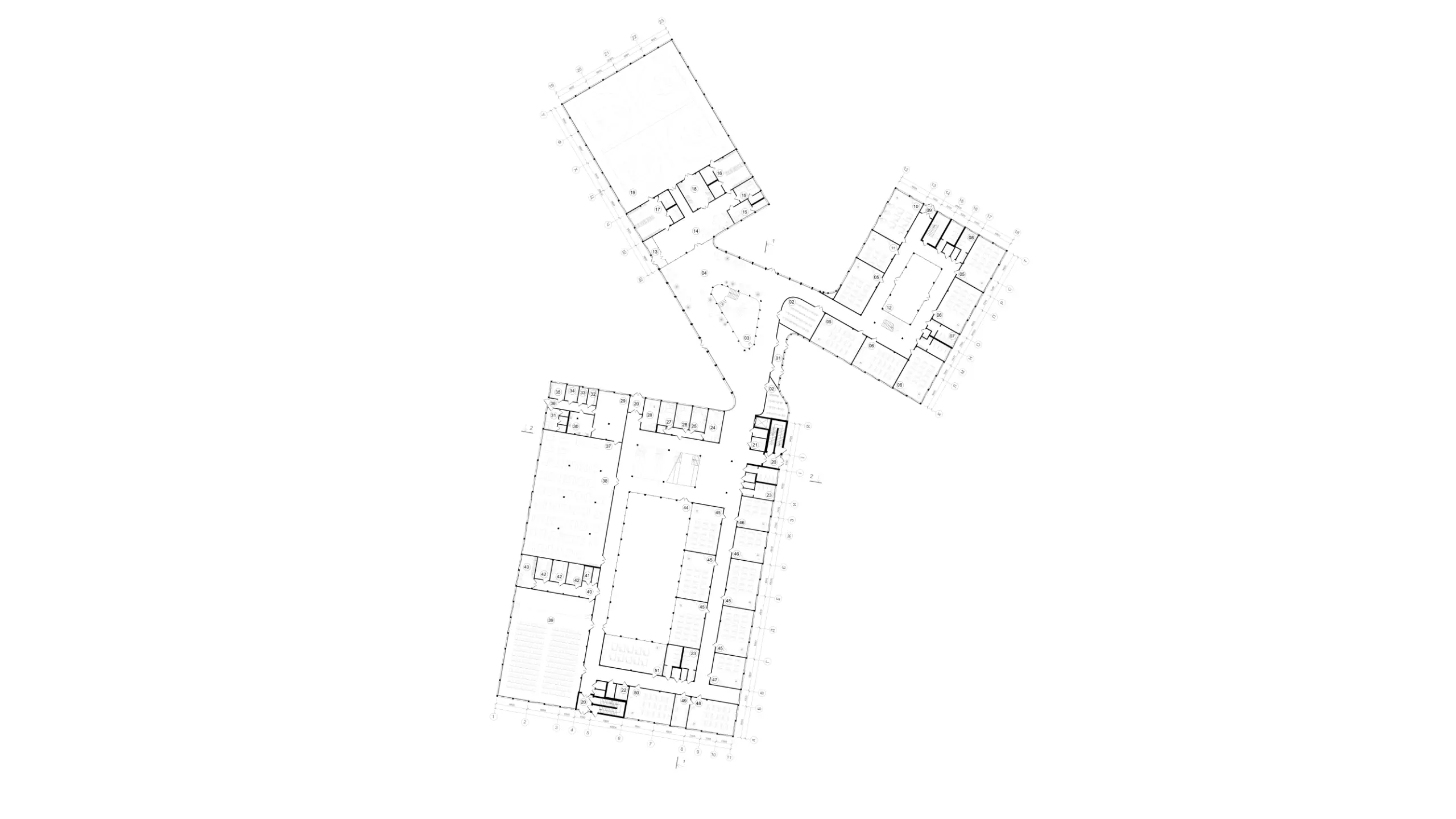
Along Kozhelyanka Street, entrances are provided at the north-eastern and south-eastern corners of the site, primarily for pupils arriving on foot or by bicycle. Between these entrances, a drop-off bay for cars is planned. Parking spaces are provided for staff and visitors. Community integration is supported by enabling the use of school facilities for various events outside school hours.
The school’s configuration forms intimate semi-courtyards between its blocks. On the western side lies a landscape that acts as an outdoor extension of the school — for living, learning and physical activity. The athletics area, multifunctional sports courts, streetball, and table tennis are complemented by an amphitheatre and lawns for outdoor study and leisure, as well as gardening and horticultural plots — supporting hands-on nature-based learning (“nature as a teacher”).
It is proven that beyond physical activity, communication and social interaction enhance cognitive development. Both the connector block and the educational landscape support communication. Additionally, the semi-courtyard provides a sheltered private outdoor environment for younger pupils surrounded by greenery. Ecological, recreational and sports zones aim to promote healthy school life.
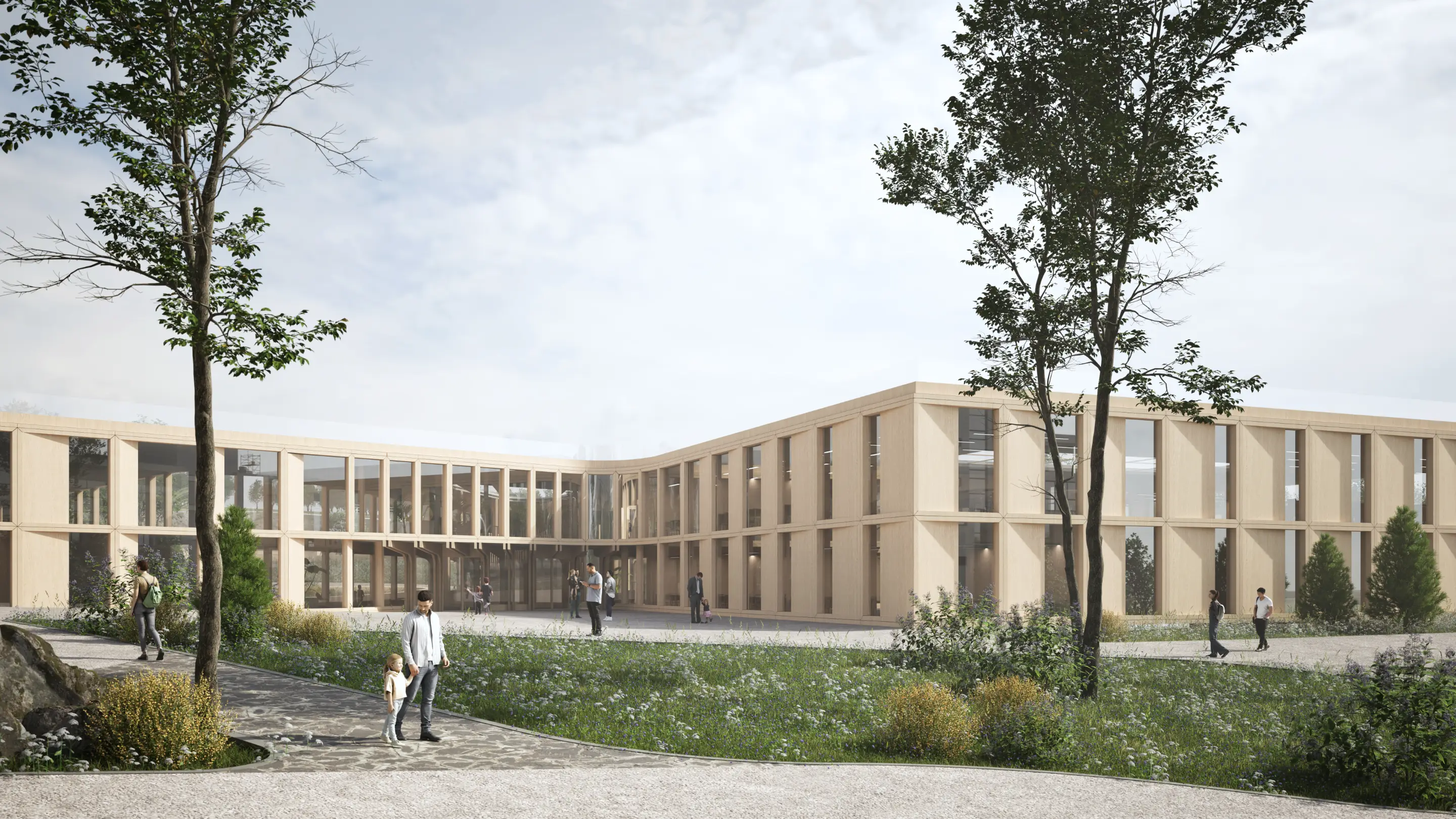
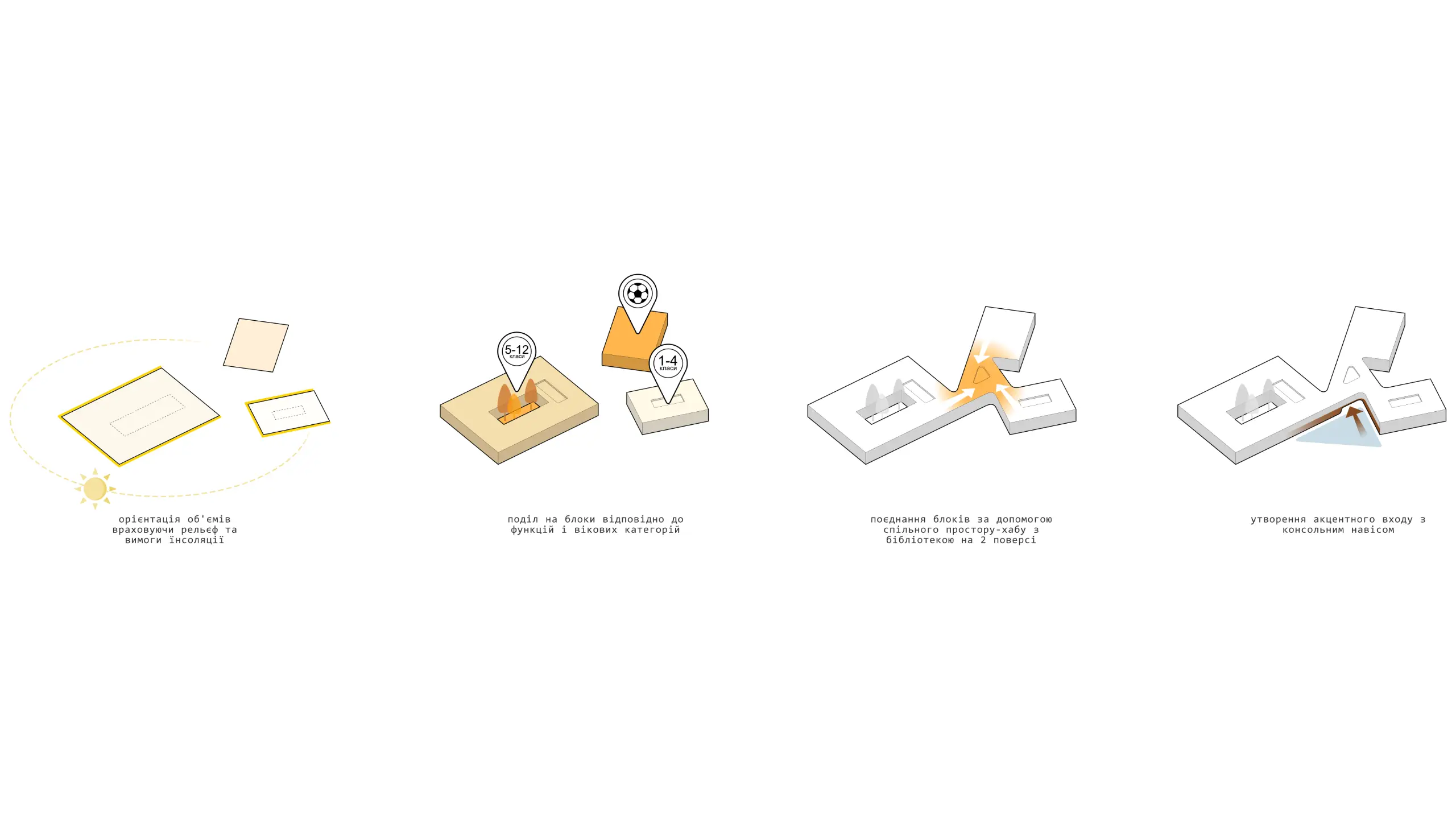
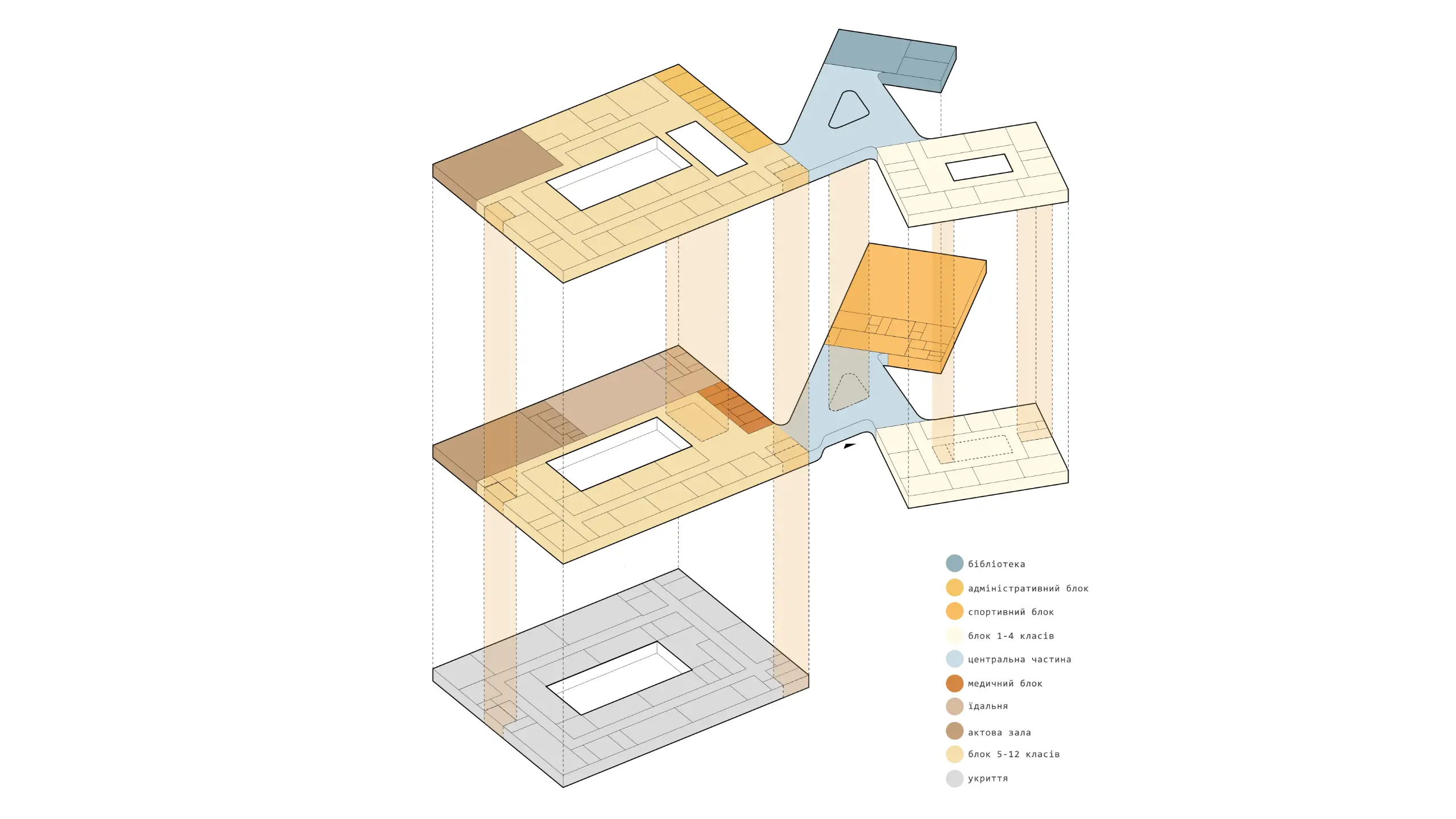
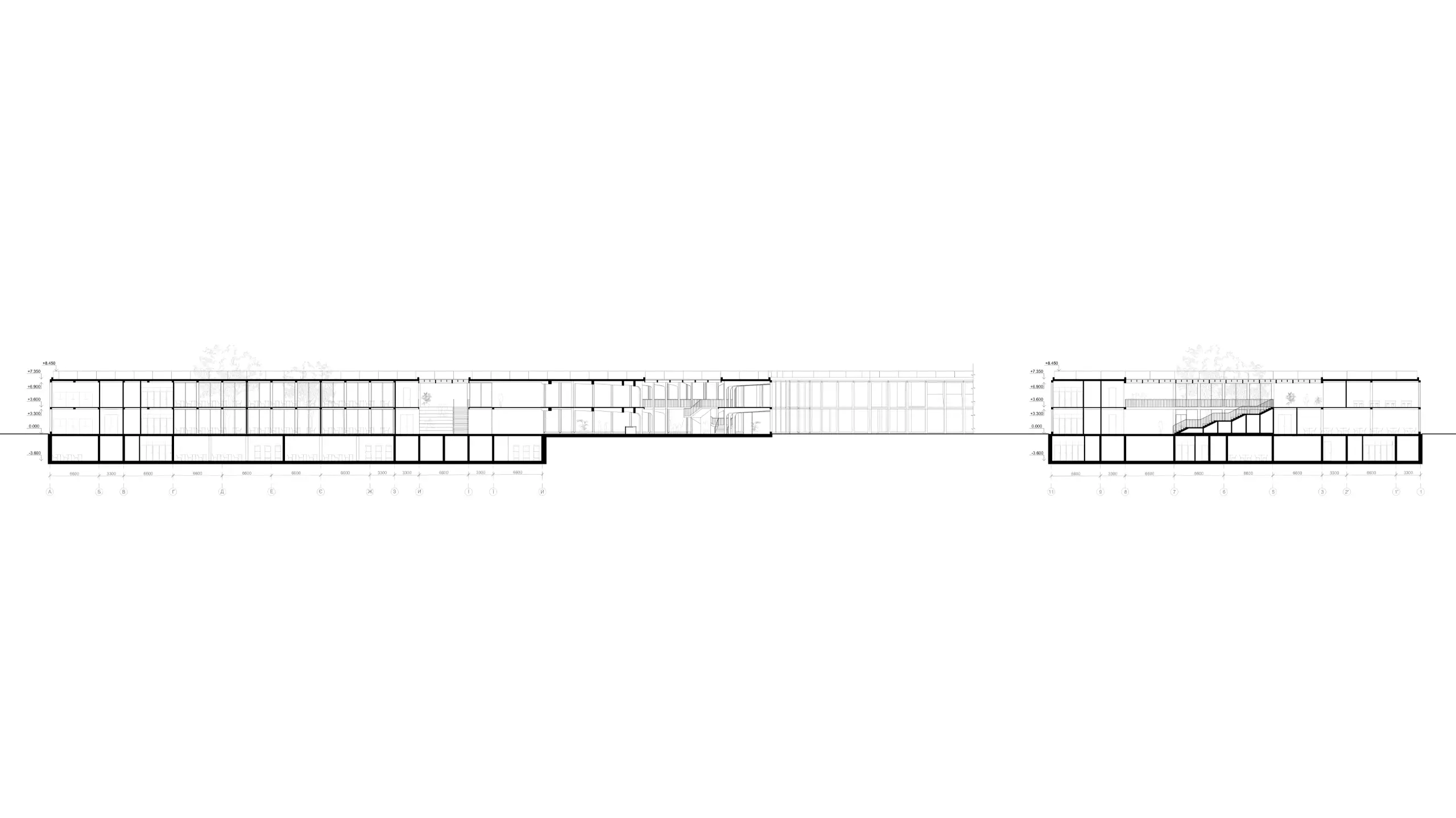
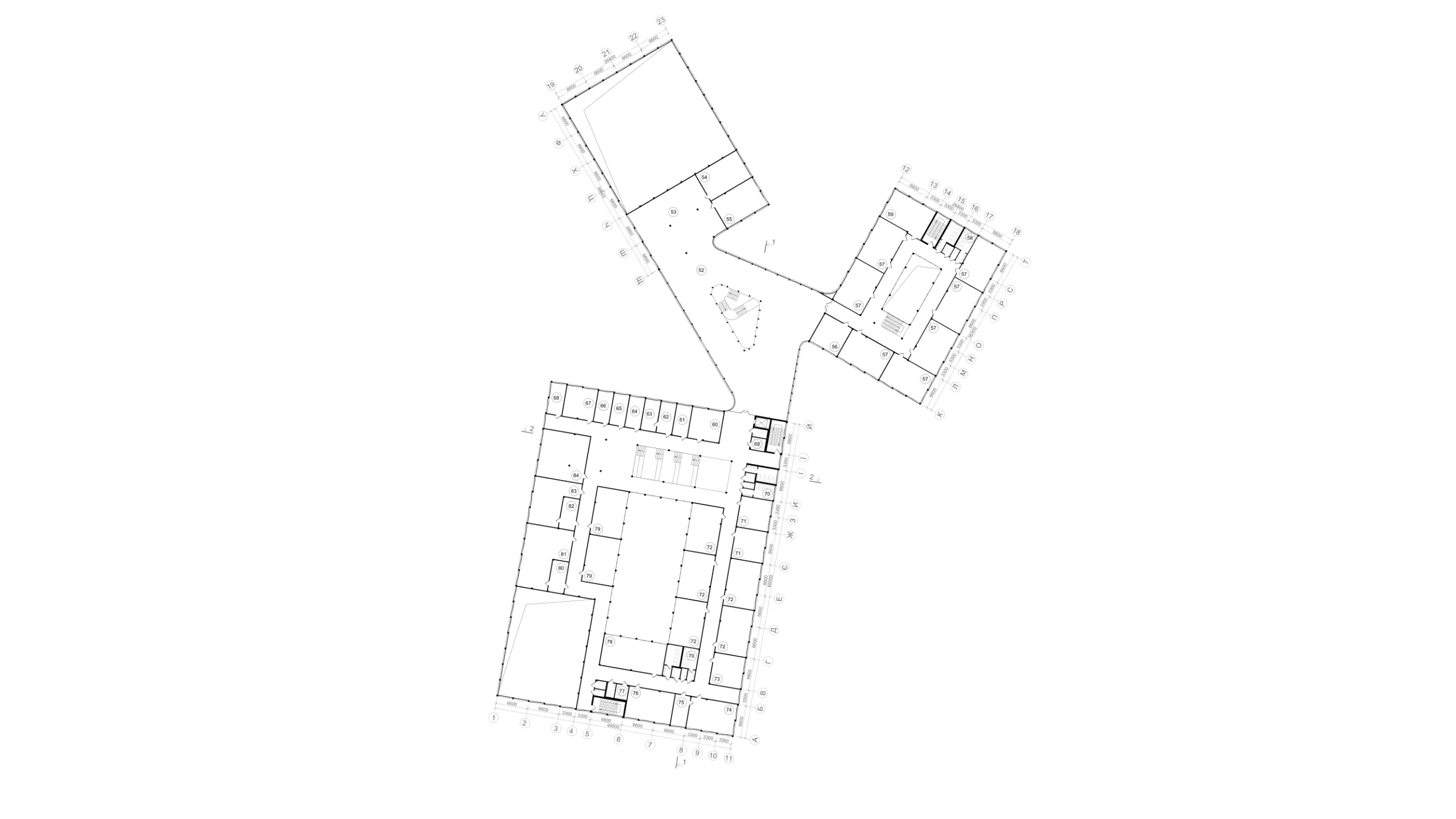
The school’s form emerges from a measured balance between specialised and unified spaces. Drawing on the strengths of both, the design introduces three “petal” blocks — for younger pupils, for middle/senior pupils, and for sports — all connected by a central communication hall with a second-floor library linked to the main entrance.
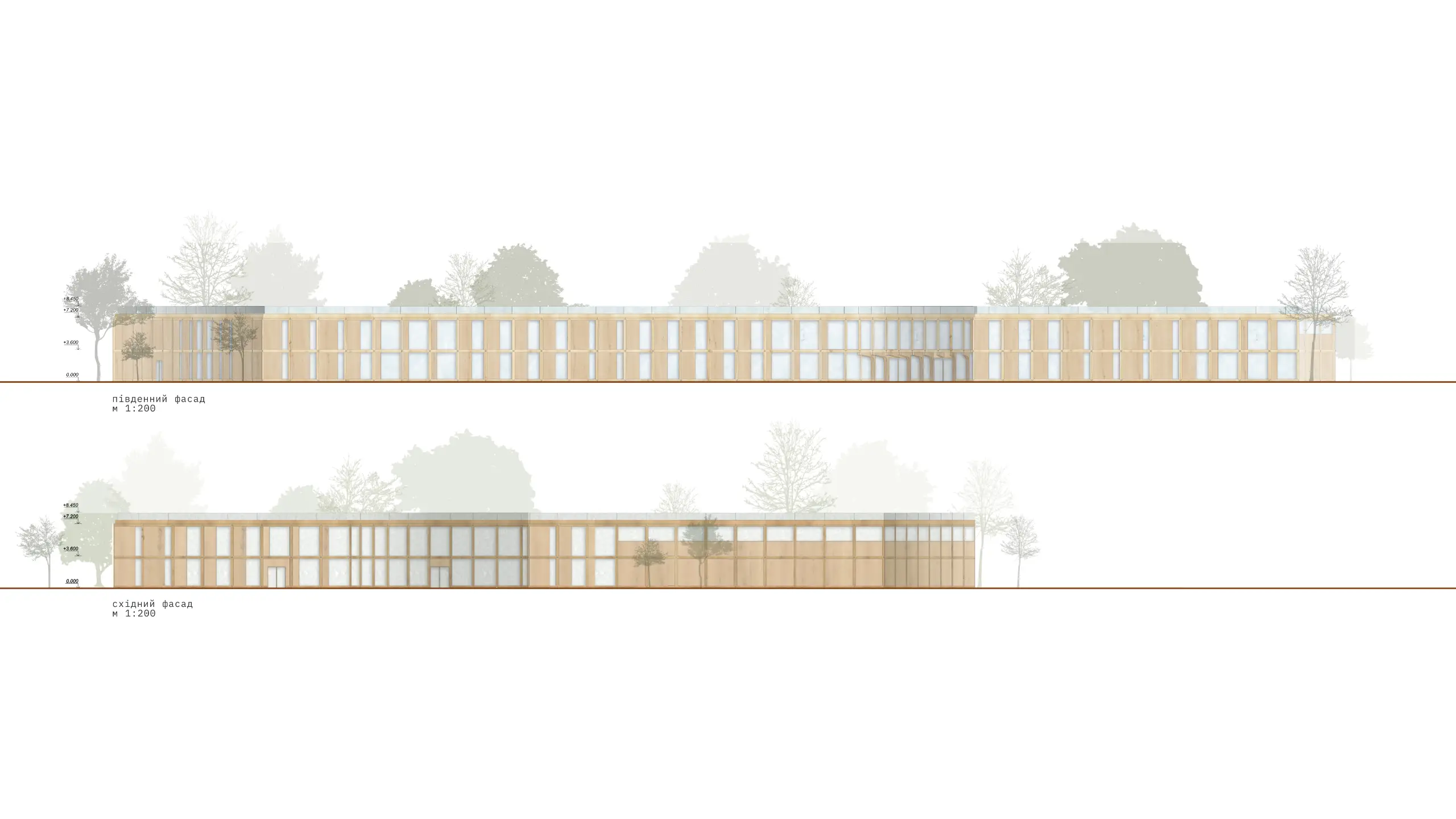
Minimalist block volumes create a clear structure through a repeatable structural module. The main entrance acts as the architectural accent — a recessed opening in the central volume, sheltered by moderate cantilevers. Local communication hubs include atrium staircases under glazed roofs in the middle/senior block and a winter garden for the younger pupils. The library on the second floor extends the informal social space of the ground level.
Regular façades employ variation through different transparency levels: fully glazed, fully opaque, or 25/50/75% glazing — depending on functional needs, improving natural light where required or preventing overheating. This approach ensures visual richness: horizontal façade ribbons read as elongated functional strata, avoiding monotony despite a simple structural logic.
The project aims to preserve as many existing trees as possible and compensate for any removed. Most hard surfaces are designed as permeable to reduce strain on drainage systems and maintain natural water balance. The landscape strategy includes planting native meadow and perennial species typical of Bukovyna, enhancing biodiversity (including plant–insect–bird chains). Both fauna-centred and human-centred principles are supported through soft, low-impact lighting that respects biological rhythms.
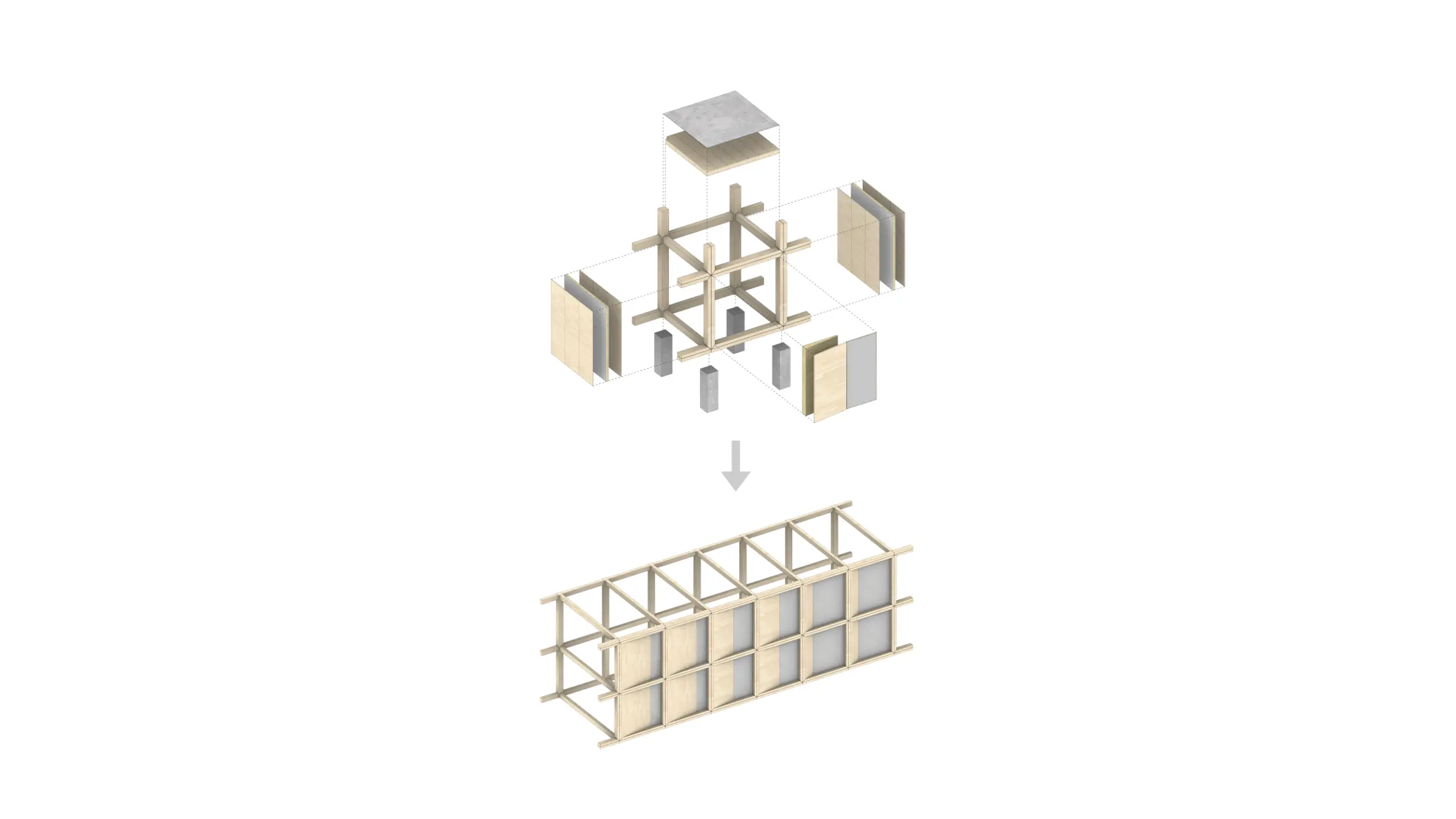
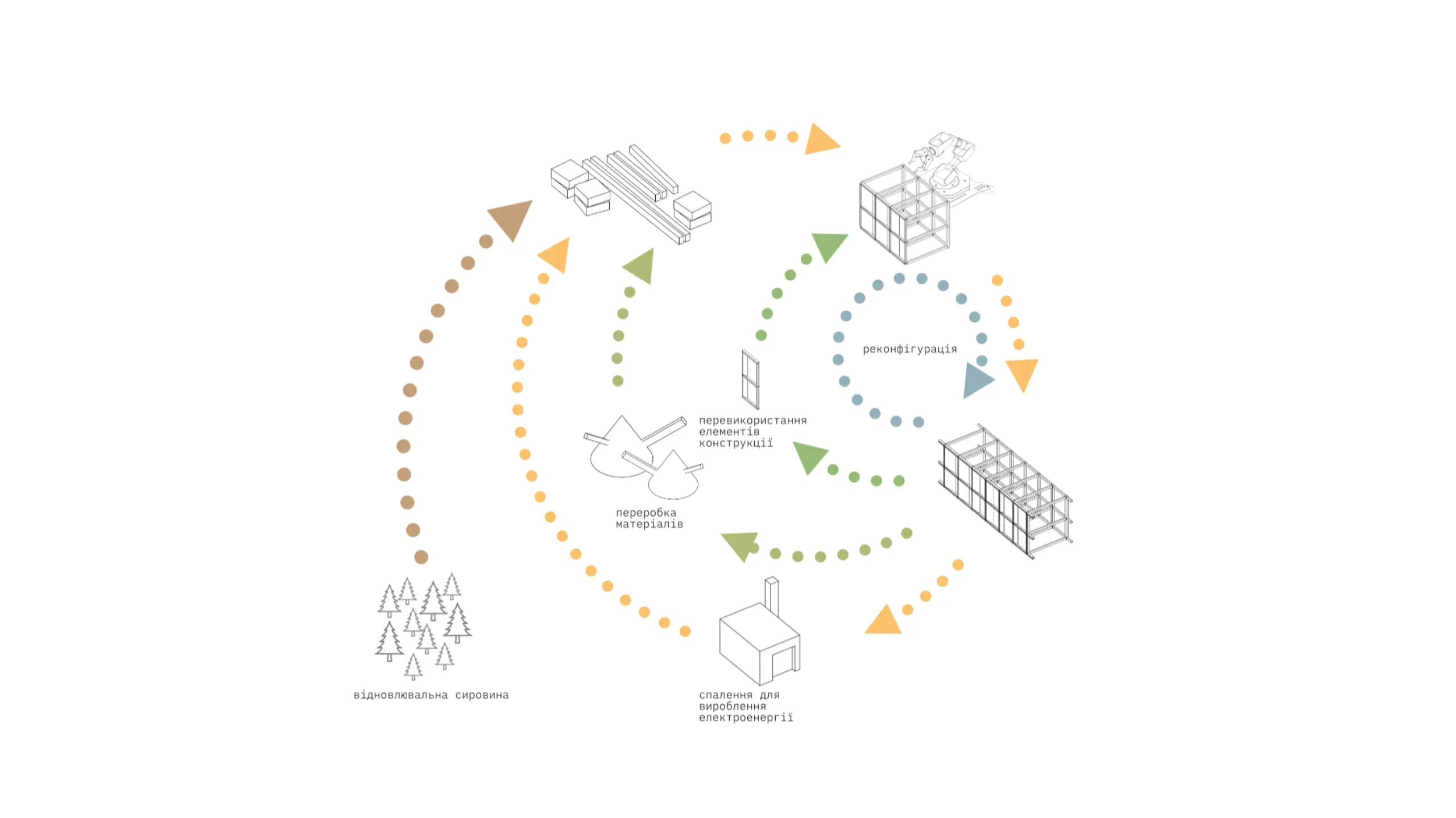
The school's sustainable strategy aims to minimise its carbon footprint (CO₂-equivalent emissions) at all stages — production of materials (renewable timber that stores carbon), transport (local materials such as Ukrainian-made CLT and glulam GL24H), construction (assembly of prefabricated components), and operation (energy-efficient heat pumps, heat-recovery ventilation, water collection and recycling). Additional comfort-focused measures include certified low-emission materials, reduced PM2.5 levels and supplementary air purification. Natural light is prioritised, as it has proven positive effects on learning.
The contemporary timber structure highlights both the region’s authenticity and its innovative potential, aligning Ukrainian progress with Western advances in architecture–engineering–construction (AEC). Across the EU, mass-timber technologies (mass-timber columns, CLT walls/floors, glulam beams) are now widely used. Ukraine is also seeing more public buildings made of timber — a material capable of meeting structural and fire-safety requirements while being far more sustainable than concrete or steel. The material strategy aligns with cradle-to-cradle principles. The modular structural system allows future spatial adaptation without demolition or unnecessary expenditure.
Although a modern timber frame may be around 10% more costly than reinforced concrete at the time of construction, Chernivtsi can set a national example for how to build for future generations — sustainably, responsibly, with materials that can be reused or safely returned to nature. Combating emissions, global warming and environmental degradation is not only an investment in the future — it is economically efficient across the building’s entire life cycle through reuse and circularity.
NAME: Comprehensive School in the City of Chernivtsi
LOCATION: 29 Yevpatoriiska st., 3 Vasyl Kozhelyanka st., Chernivtsi, Ukraine
AREA: Approx. 800 m²
DATE: 2025
PROGRAMME: Concept for a general secondary education institution at 29 Yevpatoriiska st. / 3 Vasyl Kozhelyanka st., Chernivtsi
STATUS: Project
CLIENT: Department of Urban Planning and Architecture of the Chernivtsi City Council
ARCHITECTURE: Aranchii Architects
CONCEPT: Dmytro Aranchii
PROJECT TEAM: Dmytro Aranchii, Mariia Drobenko, Kateryna Natalchuk, Daria Suk, Vladyslav Lutsyk, Andrii Korinnyi, Dmytro Riabets, Bohdan Hadzhylov
Pragmatika